
I spent the first ten years of my coffee drinking life trapped on a single continent. I was completely unaware of my own geographical boundaries.
Every time I went to the grocery store or a local cafe, I bought coffee from South America or Central America. I drank beans from Colombia, Brazil, and Costa Rica. I loved those coffees. They offered a very specific, very comforting flavor profile. They tasted like dark chocolate, toasted almonds, and heavy caramel.
I thought that specific flavor profile was the universal definition of coffee. I assumed that if you extracted a brown roasted seed, it would inevitably taste like nuts and chocolate.
I was completely wrong.
My entire culinary perspective shattered on a rainy Tuesday afternoon. I walked into a new specialty coffee roastery downtown. I wanted to buy a bag of beans for my kitchen. I walked up to the counter and asked the barista for something completely different. I told him I was bored of my usual chocolate and caramel routine.
He smiled, turned to the retail shelf, and handed me a bag of coffee from a country I had never tasted before. What I learned after trying coffee from a different country completely rewrote my morning routine. It taught me that coffee is not a generic industrial product. It is a highly sensitive agricultural map.
The Recommendation
I stood at the counter and looked at the bag in my hand.
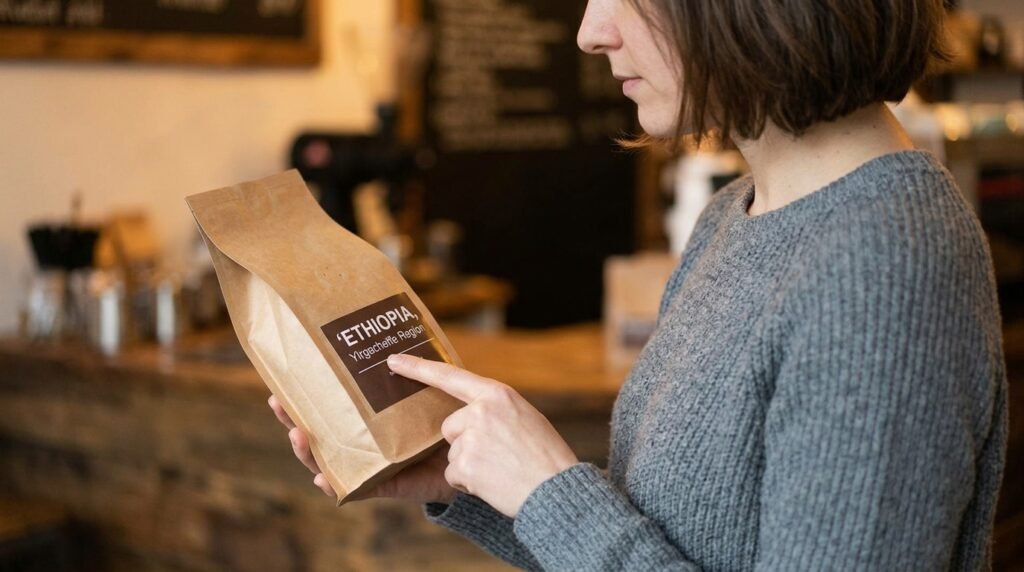
The label did not say Colombia or Brazil. It said Ethiopia. Specifically, it listed the Yirgacheffe region.
I asked the barista what I should expect from an African coffee. He told me to forget everything I knew about the beverage. He said this coffee would not taste like chocolate. It would not taste like toasted nuts. He promised me it would taste like a blooming flower garden and a basket of fresh citrus fruit.
I paid for the bag and walked out to my car. I was highly skeptical. I thought he was just using exaggerated marketing words to sell an expensive bag of beans. I could not comprehend how a brown coffee bean could possibly taste like a flower.
The Visual Discrepancy
I brought the bag home and placed it on my kitchen counter. I decided to open it immediately.
I poured a handful of the Ethiopian beans onto a white ceramic plate. I grabbed a handful of my standard Colombian beans and placed them right next to the new pile.
The visual difference was immediately obvious.
My usual Colombian beans were large, smooth, and relatively uniform in shape. The Ethiopian beans looked completely wild. They were incredibly tiny. They were dense, jagged, and inconsistent in size. Some were long and thin. Some were perfectly round like small peas.
I realized right then that I was dealing with a completely different biological entity. Acknowledging this raw physical difference was exactly The Moment I Realized Not All Coffee Beans Are the Same and it forced me to respect the agricultural side of the process. The seeds simply did not look related.
The Genetics of the Seed
I later learned why the Ethiopian beans looked so chaotic. It comes down to pure genetics.
In places like South America, coffee farms usually cultivate highly controlled, scientifically engineered hybrid plants. Farmers plant these specific hybrids to maximize crop yield and resist agricultural diseases. The beans look perfectly uniform because they are genetically identical.
Ethiopia operates completely differently. Ethiopia is the ancient, biological birthplace of the coffee plant.
The coffee forests in regions like Yirgacheffe and Sidamo are filled with thousands of wild, undocumented plant mutations. These wild genetics are often called Heirloom or Landrace varieties. The farmers do not plant organized rows of identical hybrid clones. They harvest the wild, chaotic mix of ancient genetics straight from the forest.
That genetic chaos is exactly why the beans look so uneven. It is also the exact secret to their incredible, complex flavor.
The Fragrance of the Grind
I took twenty grams of the small Ethiopian beans and poured them into my manual hand grinder.
Because the beans were so tiny and dense, they required significant physical effort to crush. As the ceramic burrs broke the seeds apart, a massive aromatic cloud rose from the catch bin.
I brought the grinder up to my nose and took a deep breath.
The barista was not lying. The dry grounds did not smell like coffee. They smelled like a high quality herbal tea. The dominant scent was sweet jasmine. Underneath the floral notes, I could smell sharp, bright lemon zest and ripe peaches.
The aroma was completely intoxicating. It was light, airy, and intensely sweet. My skepticism completely vanished. I realized I was about to drink something profoundly different.
Respecting the Extraction
I knew I had to be careful. If I brewed these delicate beans carelessly, I would destroy the floral aromas.
I grabbed my favorite glass V60 pour over cone. A paper filtered pour over is the absolute best tool for delicate coffees. The paper filter traps the heavy, muddy oils and allows the bright fruit acids to shine clearly.
I placed the glass cone on my digital scale. I rinsed the paper filter with hot water. I added the fragrant Ethiopian grounds.
I used water just off a rolling boil. These dense Landrace beans require high thermal energy to extract properly. I poured forty grams of water to start the bloom. The tiny grounds swelled upward, releasing another massive wave of sweet jasmine into the kitchen air.
The First African Sip
I finished the pour slowly and carefully. I let the bright, ruby colored liquid drain into my ceramic mug.
I walked over to my kitchen table and sat down. I waited a few minutes for the liquid to cool. Hot temperatures mask delicate flavors. I wanted the coffee to be warm, not burning.
I brought the mug to my lips and took a sip.
The liquid completely shocked my palate. The texture was incredibly light. It felt like drinking silk. There was absolutely zero heavy, oily bitterness coating the back of my throat.
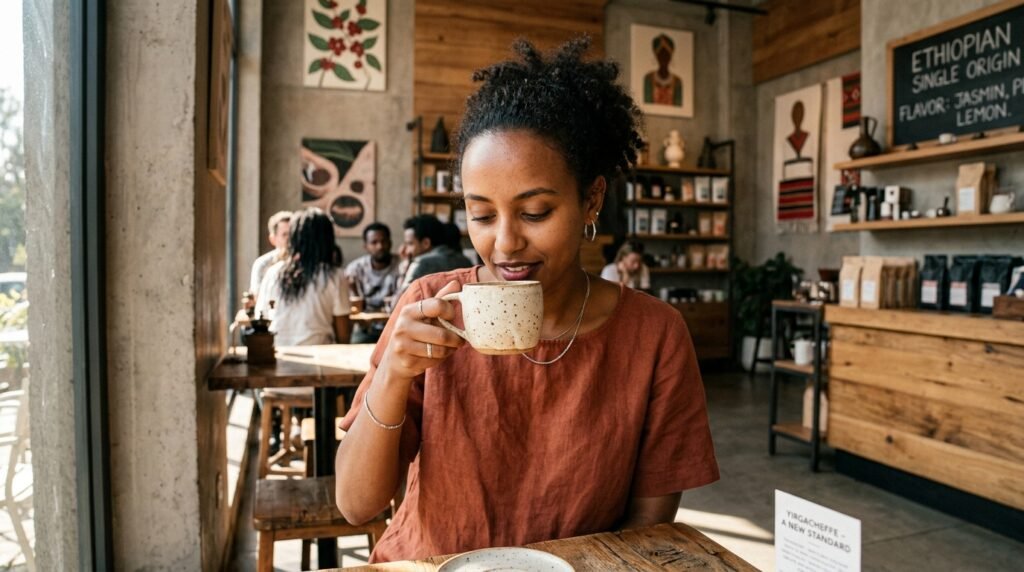
The flavor exploded instantly. It started with a bright, vibrant flash of sweet lemon. That citrus acidity immediately melted into a heavy, syrupy peach flavor. As I swallowed, a lingering taste of jasmine flowers coated my tongue.
It was brilliant. It was the most complex, refreshing cup of coffee I had ever experienced in my life. Executing that perfect extraction was The Day I Explored Ethiopian Coffee for the First Time and it permanently altered my culinary standards. I could never look at coffee the same way again.
The Power of Volcanic Dirt
I sat at my table and tried to comprehend how a simple brown seed could taste like fresh fruit and flowers.
I opened my laptop and started researching the Yirgacheffe region. I needed to understand the environment that produced these magical beans.
The secret is the dirt. The Yirgacheffe region sits at an incredibly high elevation. More importantly, the soil is ancient and volcanic.
Volcanic soil is a biological superpower for coffee plants. It provides flawless drainage, preventing the roots from rotting. It is also packed with heavy minerals like phosphorus and potassium. The coffee tree absorbs these heavy volcanic minerals and pushes them directly into the developing fruit.
You cannot replicate that soil in a laboratory. You cannot replicate it in a greenhouse. The bright, floral peach flavor I tasted in my mug was a direct, liquid translation of the Ethiopian volcanic earth.
The Shift in Palate
Drinking that single cup of coffee triggered a massive physiological shift in my body.
My palate woke up. I spent years drinking heavy, dark roasted blends where the origin of the bean was completely burned away by the roasting oven. I was used to a flat, singular flavor profile.
The African coffee forced my tongue to search for nuance. It forced me to look for the hidden fruit acids and the delicate sugars.
Once your brain learns how to identify those subtle notes, you cannot turn that function off. This sensory awakening was exactly How I Started Noticing Flavor Notes in Coffee without feeling like a pretentious wine critic. I was not making the flavors up. The geography was simply screaming its identity into the cup.
Exploring the Opposite Extreme
The Ethiopian coffee taught me that geography equals flavor. I decided to test this theory on the exact opposite side of the globe.
A few weeks later, I went back to the local roastery. I asked the barista for a coffee from Southeast Asia. I wanted to taste the dirt of a completely different continent. He handed me a bag of wet hulled coffee from Sumatra, Indonesia.
I brought it home and brewed it using the exact same V60 pour over method. I used the exact same water temperature and the exact same grind size. I wanted the geography to be the only changing variable.
I poured the dark liquid into my mug and took a sip.
The Heavy Sumatran Jungle
The contrast was absolutely staggering.
The Ethiopian coffee tasted like a bright, sunny flower garden. The Sumatran coffee tasted like a dense, dark jungle after a heavy rainstorm.
There was absolutely no lemon. There was no jasmine. There was no peach.
Instead, the liquid was incredibly heavy and thick. It tasted intensely earthy. The dominant flavor notes were dark tobacco, sweet cedar wood, and dark chocolate. It had a savory, almost herbal quality that lingered on the palate.
The climate in Sumatra is incredibly humid and rainy. The soil is completely different. The local farmers use a unique, rapid drying process called wet hulling simply to prevent the beans from rotting in the extreme humidity.
That harsh, humid climate and that unique processing method created a beverage that felt fundamentally different from the African cup. It was heavy, brooding, and deeply comforting.
The Global Spectrum
Tasting the bright Ethiopian bean and the heavy Sumatran bean back to back solidified my new perspective.
Coffee is not a single, monolithic beverage. Coffee is a massive, sprawling global spectrum.
On one end of the spectrum, you have the high altitude, volcanic soils of Africa producing delicate, tea like florals. On the other end of the spectrum, you have the humid, low altitude islands of the Pacific producing heavy, earthy, woody profiles.
In the middle of the spectrum, you have the volcanic mountains of Central and South America producing sweet, clean, chocolate and caramel profiles.
Every single country offers a completely unique interpretation of the exact same plant.
Breaking Your Own Rules
If you are currently stuck in a coffee rut, you are likely suffering from geographical boredom.
You probably buy the exact same bag of beans from the exact same country every single week. You have memorized the flavor profile. Your morning routine has become a mindless chore because there is no element of surprise left in your mug.
You need to break your own rules. You need to intentionally buy a coffee that scares you slightly.
If you always drink dark, heavy blends from Brazil, you need to buy a light roasted, naturally processed bean from Ethiopia. You need to experience the shock of the fruit acidity.
If you always drink bright, acidic African coffees, you need to buy a heavy, earthy bean from Indonesia. You need to experience the dense, savory body.
Building a Coffee Map
You do not need an airplane ticket to travel the world. You just need a local coffee roaster and a good grinder.
Start looking at the labels on the bags. Ignore the marketing words. Look for the country of origin. Look for the specific region. Look for the altitude and the processing method.
Treat your kitchen counter like a global map. Dedicate one month to exploring the bright, floral coffees of Africa. Dedicate the next month to the sweet, chocolate coffees of South America. Dedicate the following month to the heavy, spicy coffees of Asia.
The True Value of the Bean
When you start tasting the unique dirt of different countries, your appreciation for the agricultural product skyrockets.
You stop complaining about the price of a good bag of coffee. You realize that you are paying for an incredibly complex chain of events. You are paying for a farmer in a distant country to navigate unpredictable weather, volcanic soil, and difficult harvests. You are paying for a roaster to carefully protect those delicate flavors in a hot drum.
You realize that a bag of single origin coffee is actually a massive bargain. It is a liquid postcard from a place you may never actually visit in person.
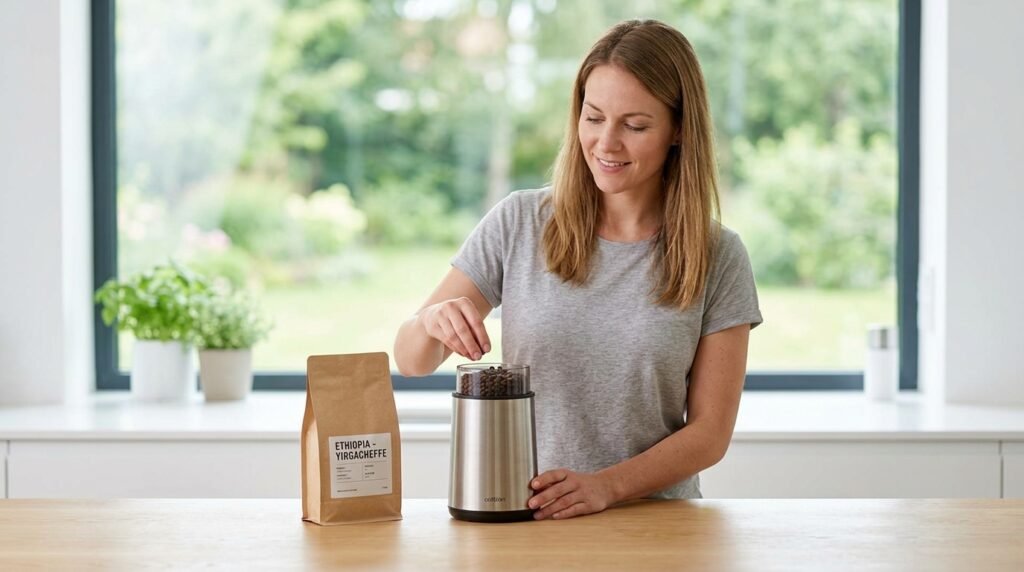
The next time you need to buy coffee, do not reach for the familiar bag. Ask the barista to give you something completely foreign. Take it home, grind it fresh, and pay close attention to the first sip. You will quickly learn that the most exciting part of drinking coffee is discovering a new corner of the world hidden right inside your mug.
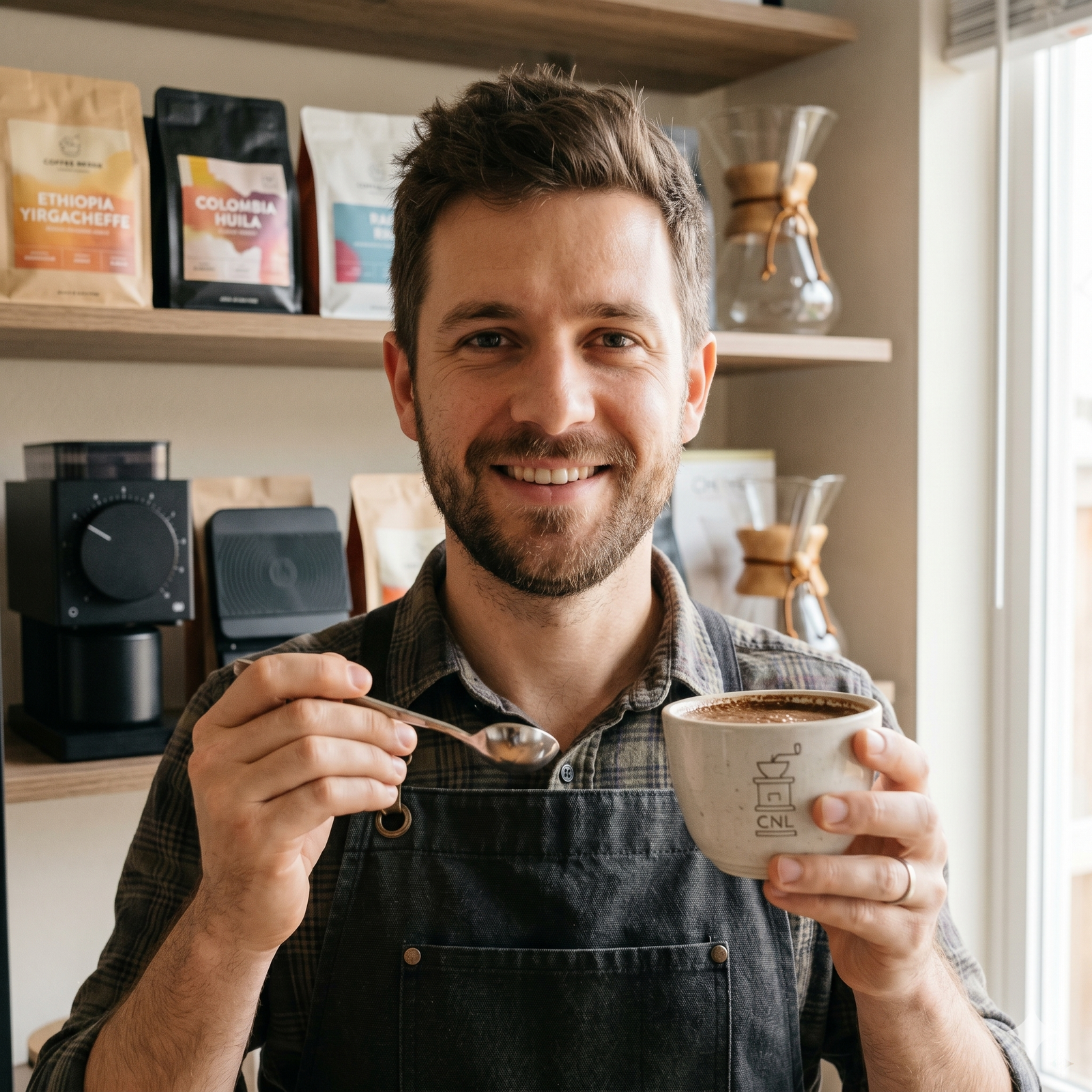
Hi, I’m the coffee enthusiast behind Coffee Nerd Lab.
Like many people, I started drinking coffee simply because it helped me wake up in the morning. Over time, that daily habit turned into a genuine interest in understanding what makes a great cup of coffee. I began experimenting with different beans, brewing methods, grinders, and coffee gear, learning through trial and error along the way.
This blog is where I document that journey. Every article is inspired by real experiences, discoveries, and lessons I’ve learned while exploring the world of coffee. From brewing guides and equipment reviews to practical tips and coffee basics, my goal is to share useful information in a way that’s easy to understand and enjoyable to read.
Thanks for stopping by, and I hope Coffee Nerd Lab helps you enjoy your next cup a little more than the last.