

My smartphone started vibrating aggressively on the kitchen counter. It was a Saturday morning. I was right in the middle of making my morning coffee. I had just poured hot water over coarse grounds in my glass French press.
I looked at the caller ID. It was an old college roommate I had not spoken to in nearly two years.
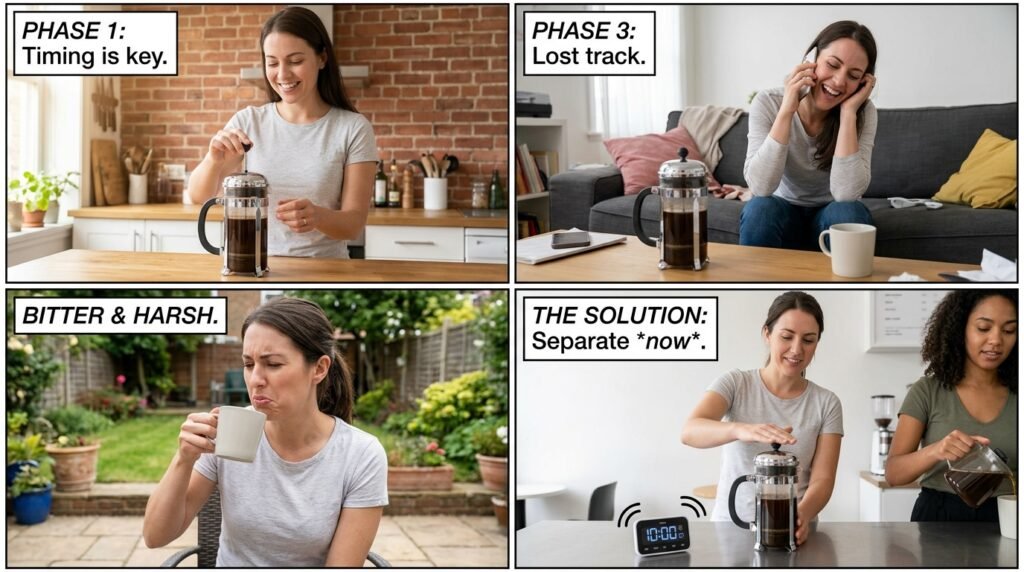
I grabbed the phone, swiped to answer, and walked out onto my back porch to take the call. We started talking. We caught up on careers, mutual friends, and recent travels. The conversation flowed easily. I completely lost track of what I was doing inside the house.
Thirty minutes later, we finally said our goodbyes and hung up. I walked back into my kitchen.
The glass French press was still sitting exactly where I left it. The coffee grounds were still floating at the top of the water. The liquid looked incredibly dark, almost like crude oil.
I pushed the metal plunger down. I poured a serving into my mug. The coffee was barely lukewarm, but I took a sip anyway.
My face physically contorted. The liquid was violently, aggressively bitter. It tasted like chewing on a handful of dry aspirin mixed with burnt wood. It completely dried out the back of my throat. I had to spit it out in the kitchen sink and aggressively rinse my mouth with cold water.
It was the exact same bag of high quality beans I drank every single day. The water was the exact same temperature I always used. The grind size was identical. The only thing that changed was the clock. That terrible, accidental thirty minute steep was a brutal culinary lesson. It is exactly how I learned that brew time changes everything.
The Illusion of a Static Ingredient
Before that phone call, I viewed coffee as a completely static ingredient. I thought flavor was something permanently locked inside the bean.
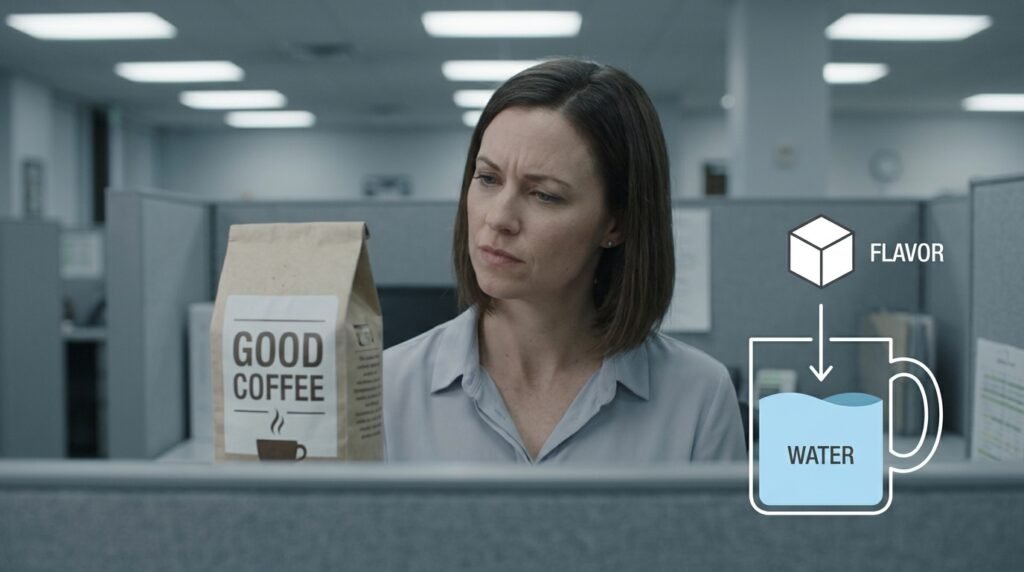
I assumed that if you bought a good bag of coffee, it would always taste good. I assumed that if you bought a bad bag of coffee, it would always taste bad. I thought the hot water simply melted the coffee flavor into the mug, much like melting a sugar cube.
I was completely wrong.
Coffee is not a single, uniform flavor. A roasted coffee bean is a complex biological vault containing hundreds of different chemical compounds. Some of those compounds taste incredible. Some of those compounds taste absolutely horrific.
The hot water acts as a chemical solvent. Its job is to enter the coffee bean and pull those compounds out. But the water does not pull everything out all at once. It happens in a very strict, highly predictable sequence.
Time is the ultimate gatekeeper. The clock dictates exactly which compounds end up in your mug and which ones stay trapped in the trash.
Phase One: The Sour Acids
To truly understand how brew time changes everything, you have to break the extraction process down into three distinct phases.
The very first compounds to dissolve into the hot water are the organic acids and the natural fruit salts. These compounds are incredibly light and highly soluble. They dissolve almost instantly upon contact with hot water.
These acids are responsible for the bright, vibrant, fruity notes in a cup of coffee. They give the beverage its crisp, lively character.
But if you stop the brewing process too early, you have a massive problem.
If you only brew your coffee for thirty seconds, your water will only extract these fast moving acids. The resulting liquid will taste sharply sour. It will taste hollow and highly astringent. It will make your lips pucker, much like biting into a raw lemon.
This extreme sourness is the hallmark of an under extracted cup. The water simply did not have enough time to do its full job.
Phase Two: The Sweet Center
If you leave the water in contact with the coffee grounds, the extraction moves into the second phase. This is the golden zone.
After the fast acids dissolve, the hot water starts pulling out the heavier compounds. These are the complex natural sugars and the caramelized lipids created during the roasting process.
These sugars take significantly more time to dissolve than the acids. But they are absolutely crucial to the final beverage.
The sugars provide the heavy, comforting body of the coffee. They provide the deep notes of dark chocolate, toasted nuts, and sweet caramel. More importantly, they provide a chemical balance. The heavy sweetness rounds off the sharp, sour edges of the early acids.
When you perfectly balance the early acids with the middle sugars, you get a masterpiece. The coffee tastes vibrant, sweet, and highly structured. Hitting this specific window requires extreme precision. This realization was the driving force behind How I Learned to Time My Coffee Pour Perfectly when I eventually transitioned to manual pour over methods. You have to control the clock to capture the sugar.
Phase Three: The Bitter End
This brings us to the third and final phase of extraction. This is the phase I accidentally discovered during my long phone call on the back porch.
If you leave the hot water in contact with the coffee grounds for too long, all the sweet sugars will eventually be fully extracted. But the water does not stop working. The water is a relentless solvent.
Once the good flavors are gone, the water begins to break down the actual plant fibers of the coffee seed. It starts extracting heavy, dark tannins and complex bitter alkaloids.
These compounds are incredibly difficult to dissolve. They require a massive amount of time to leave the coffee bean. But once they enter your mug, they completely destroy the beverage.
The bitter tannins overpower the delicate fruit acids. They mask the sweet caramel notes. They create a harsh, drying sensation on your palate that completely ruins the experience. Understanding this phase was The Small Change That Made My Coffee Less Bitter permanently. I realized I had to physically separate the water from the grounds before the dark tannins had a chance to escape.
The Dance Between Time and Grind Size
Once I understood the three phases of extraction, another massive coffee puzzle finally clicked into place. I realized that time does not exist in a vacuum. It is permanently linked to the physical size of your coffee grounds.
Think about a massive block of ice and a handful of crushed ice. If you put them both out in the sun, the crushed ice will melt significantly faster. The crushed ice has more surface area exposed to the heat.
Coffee extraction works exactly the same way.
If you grind your coffee into a very fine, powdery dust, the hot water has massive amounts of surface area to attack. The water will extract the acids, sugars, and bitter tannins incredibly fast. A fine grind requires a very short brew time. This is why a shot of espresso only takes thirty seconds to pull.
If you grind your coffee into large, coarse boulders, the water has very little surface area to attack. The extraction process slows to a crawl. A coarse grind requires a very long brew time. This is why a standard French press requires four or five minutes to extract properly.
The Recipe Triangle
Learning this physical rule gave me complete control over my kitchen. I realized that making coffee is just a matter of balancing a basic triangle. The three points of the triangle are grind size, water temperature, and brew time.
If you change one point of the triangle, you must adjust the others to compensate.
If I bought a bag of coffee and it tasted slightly too sour, I knew exactly what was wrong. My brew time was too short. The water was only getting the early acids. To fix it, I could either add another minute to my clock, or I could grind the coffee slightly finer to speed the extraction up.
If my coffee tasted too bitter, I knew my brew time was too long. The water was pulling out the late stage tannins. To fix it, I could either stop the brew a minute earlier, or I could grind the coffee coarser to slow the extraction down.
I was no longer blindly guessing. I was actively steering the chemical reactions happening inside my mug.
The Absolute Necessity of the Clock
This newfound knowledge radically changed the equipment I kept on my kitchen counter.
Before the phone call incident, I never timed my coffee. I would just pour hot water into my brewer and wait until it looked finished. I relied entirely on visual guesswork and blind luck.
You cannot manage extraction phases with blind luck. Human beings are terrible at estimating time. Two minutes feels like an eternity when you are staring at a kettle, but it feels like ten seconds when you are distracted by a text message.
I went online and bought a digital scale that featured a built in stopwatch.
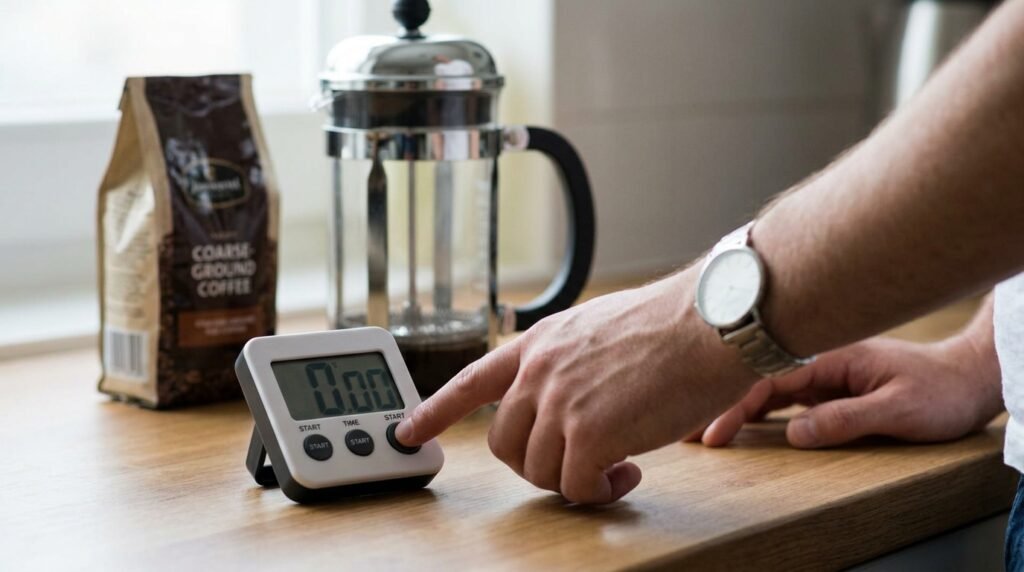
This single piece of equipment changed everything. It forced me to acknowledge the clock. Pressing the start button the exact second the water hit the coffee grounds became my new religion. This strict adherence to the numbers was the foundation of What I Learned About Coffee Measurement Accuracy in my daily routine. You cannot improve what you do not measure.
Tracking the Drip
Using a timer is incredibly easy when you use an immersion brewer like a French press. You just start the clock, wait four minutes, and push the plunger down.
But managing time becomes a beautiful, active challenge when you use a pour over method.
With a pour over cone, the water is constantly dripping out of the bottom. You dictate the brew time entirely by how fast or how slow you pour the water from your kettle.
If my target brew time was three minutes, I had to pace myself. I could not just dump all the water in at once. I had to pour slowly in concentric circles. I had to watch the timer. If I reached my target water weight at the two minute mark, I knew I poured entirely too fast. The coffee would drain too quickly and taste sour.
I had to train my hands to match the clock. I had to learn the physical rhythm of the extraction. It turned making coffee from a passive chore into a highly engaging, tactile craft.
The Freedom to Experiment
Once you accept that brew time changes everything, you unlock the ability to completely customize your morning beverage.
You are no longer bound by the instructions printed on the back of the coffee bag. You have the freedom to bend the flavor to your own personal preference.
If I wake up on a Saturday morning and want a bright, punchy, tea like cup of coffee, I intentionally shorten my brew time. I grind my beans a little coarser and aim for a fast, two minute pour over. I actively avoid the heavy sugars and focus entirely on the crisp fruit acids.
If I wake up on a cold Monday morning and want a heavy, comforting, dark chocolate blanket of flavor, I intentionally stretch the clock. I grind the beans a little finer and aim for a slow, four minute extraction. I push the water right to the edge of bitterness to extract the maximum amount of heavy sugars.
The exact same bag of coffee beans can produce two entirely different beverages just by manipulating the timer.
Never Trust Your Memory
I still have that specific glass French press sitting in my cabinet. I still use it regularly. But I treat it with a profound level of respect.
I never walk away from it. I never leave the kitchen. I never answer the phone while the grounds are steeping.
Coffee is an agricultural miracle. It takes months to grow, meticulous care to harvest, and extreme scientific precision to roast. Taking that beautiful ingredient and ruining it because you lost track of time is a culinary tragedy.
Time is not just a measurement. In the world of coffee, time is an actual, physical ingredient. It is just as important as the water and the beans.
If you are currently making coffee without looking at a clock, I highly encourage you to pull out your smartphone. Open the stopwatch application.
The next time you brew a cup, hit start. Watch how long the process actually takes. If your coffee tastes unpleasantly bitter, try cutting thirty seconds off that time tomorrow. If your coffee tastes weakly sour, add thirty seconds to the clock.
You will be absolutely staggered by how drastically the flavor shifts. You will stop blaming the coffee roaster for bad cups, and you will start taking control of the extraction yourself. Pay attention to the seconds, and the flavor will follow.
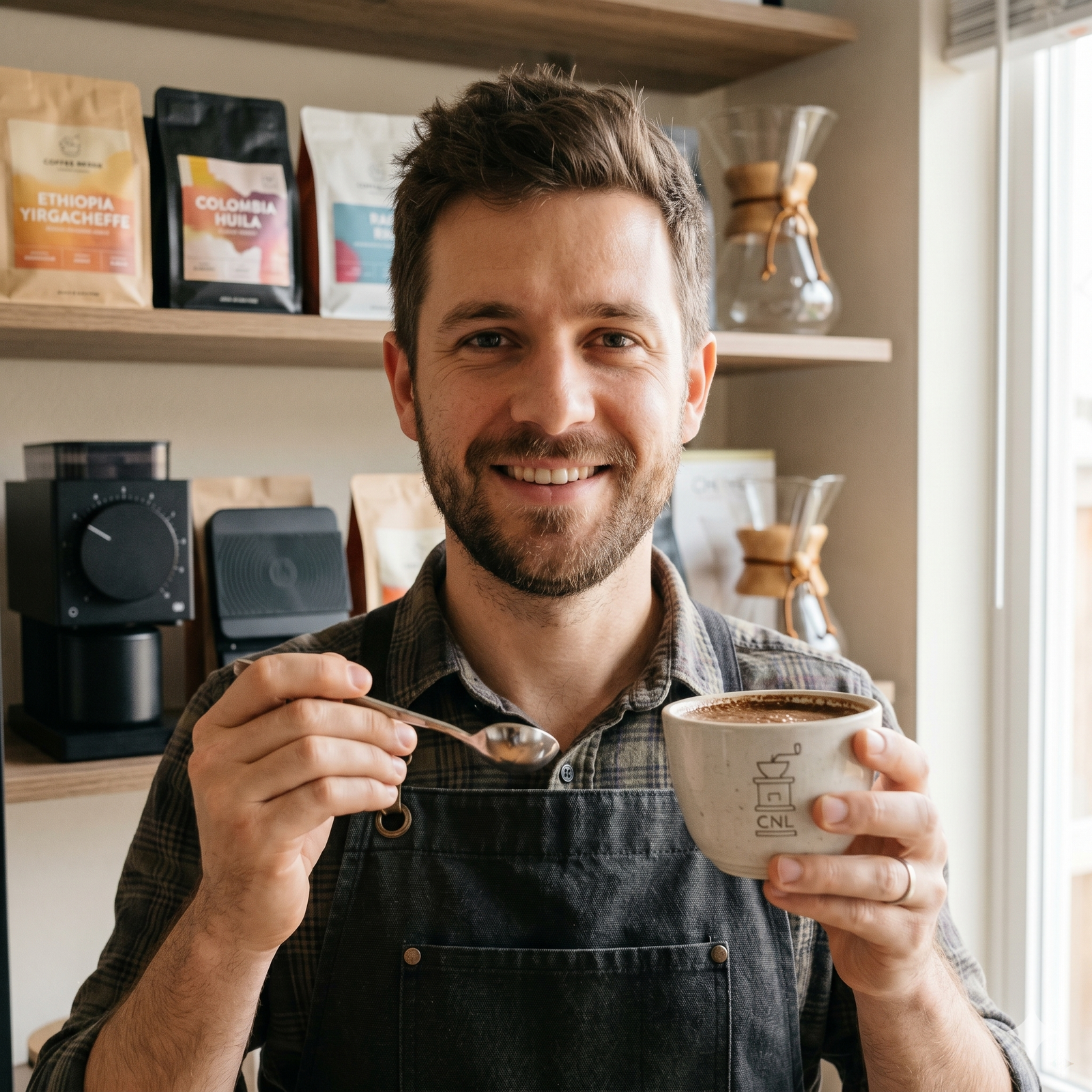
Hi, I’m the coffee enthusiast behind Coffee Nerd Lab.
Like many people, I started drinking coffee simply because it helped me wake up in the morning. Over time, that daily habit turned into a genuine interest in understanding what makes a great cup of coffee. I began experimenting with different beans, brewing methods, grinders, and coffee gear, learning through trial and error along the way.
This blog is where I document that journey. Every article is inspired by real experiences, discoveries, and lessons I’ve learned while exploring the world of coffee. From brewing guides and equipment reviews to practical tips and coffee basics, my goal is to share useful information in a way that’s easy to understand and enjoyable to read.
Thanks for stopping by, and I hope Coffee Nerd Lab helps you enjoy your next cup a little more than the last.