
I was sitting on an outdoor patio at a small vineyard. I was visiting a friend who works in the wine industry. He poured two different glasses of red wine and placed them on the wooden table in front of me.
He told me they were the exact same type of grape. They were harvested in the exact same year. They were fermented using the exact same methods.
I took a sip of the first glass. It tasted heavy, dark, and highly tannic. I took a sip of the second glass. It tasted entirely different. It was bright, fruity, and incredibly light.
I asked him how two identical grapes could produce such radically different liquids.
He smiled and pointed to the ground. He explained the concept of terroir. The first grape grew in a valley with heavy clay soil and intense afternoon heat. The second grape grew on a steep hillside with rocky soil and cool ocean winds. The environment fundamentally rewrote the chemistry of the fruit. The dirt dictated the flavor.
I drove home that afternoon thinking about dirt and agriculture. The next morning, I walked into my kitchen to make my daily pot of coffee. I grabbed a large plastic container of pre-ground beans from the pantry.
I looked at the label. It said “Premium Morning Blend.” It said “100% Arabica.”
It did not list a single country. It did not mention a farm. It did not mention the soil. I realized I was treating coffee like a synthetic factory product. I had completely ignored the fact that coffee is an agricultural crop. That quiet morning was exactly why I started paying attention to where my coffee comes from. It changed my entire culinary perspective.
The Mystery of the Blend
I sat at my kitchen table and stared at the plastic coffee container.
For years, I bought my coffee based entirely on marketing adjectives. I looked for words like bold, smooth, or rich. I assumed the massive coffee corporations had a secret recipe to make the coffee taste good.
The truth is much darker. Commercial coffee blends are designed to mask the origin.
Massive coffee companies buy incredibly cheap, low quality beans from dozens of different countries. They mix beans from Brazil, Vietnam, and Honduras together in massive industrial silos. They roast them exceptionally dark to burn away any defective flavors.
The goal of a commercial blend is aggressive consistency. They want the coffee you buy today to taste exactly like the coffee you bought five years ago. They achieve that consistency by destroying all the unique, natural flavors of the individual farms.
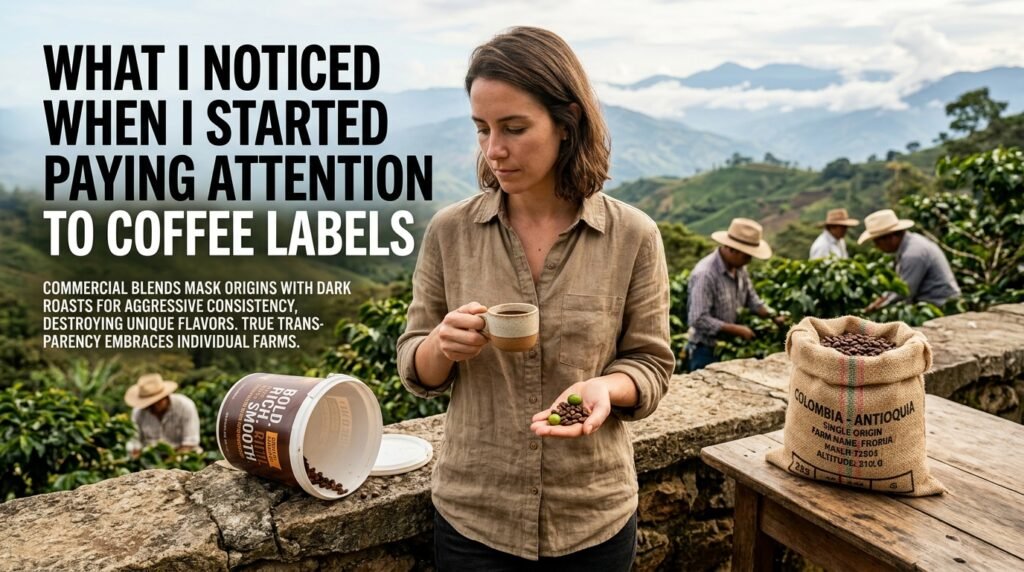
Realizing this deceptive marketing tactic was a massive turning point. It was the exact premise of What I Noticed When I Started Paying Attention to Coffee Labels and prompted me to stop buying anonymous plastic tubs. I wanted transparency.
The Global Coffee Belt
I threw the plastic tub in the trash. I drove to a local specialty coffee roaster. I wanted to buy coffee that actually told me where it grew.
I looked at the retail shelf in the cafe. The bags did not say “Morning Blend.” They featured names of specific countries.
I quickly learned about the global coffee belt. Coffee trees are highly sensitive tropical plants. They cannot survive freezing temperatures. They only grow in a specific band around the equator between the Tropics of Cancer and Capricorn.
This narrow band includes Central America, South America, Africa, and parts of Asia.
Every single country inside that tropical belt possesses a completely different climate. They have different rainfall patterns. They have different soil compositions. Just like the wine I drank at the vineyard, the local environment dictates the physical development of the coffee cherry.
The Power of High Altitude
I picked up a bag of coffee from Colombia. The label listed a very specific detail. It said the coffee was grown at an elevation of nearly two thousand meters above sea level.
I asked the barista why the altitude mattered.
He explained that altitude is one of the most critical factors in coffee flavor. At high elevations, the air is thin and the nights are incredibly cold. The coffee tree struggles to survive in these harsh conditions.
Because the tree is stressed, the coffee cherries mature very slowly. This extended growing cycle gives the fruit more time to develop complex sugars and dense organic acids. High altitude beans are physically harder and pack significantly more flavor potential.
Coffee grown at lower altitudes matures much faster. The beans are physically softer. They lack acidity and often taste flat or purely earthy.
Seeking Out Volcanic Soil
I put the Colombian bag down and picked up a bag from Ethiopia. The specific region listed on the label was Yirgacheffe.
I remembered reading about this specific area. Ethiopia is the ancient birthplace of the coffee plant. The Yirgacheffe region is famous for its extreme elevation and its incredibly rich, mineral dense volcanic soil.
Volcanic soil is a biological goldmine for agriculture. It provides excellent drainage for the plant roots. It is packed with phosphorus, potassium, and calcium.
When a coffee tree grows in volcanic soil, it absorbs those heavy minerals. It translates those minerals directly into the chemistry of the seed. You can literally taste the impact of the ancient volcano in your morning mug.
I bought the bag of Ethiopian Yirgacheffe. I was incredibly excited to brew it. Bringing that bag home was the direct catalyst for The Coffee Origin That Completely Surprised Me because the flavor profile defied all of my expectations.
The Floral Revelation
The next morning, I set up my manual pour over cone. I opened the bag of Ethiopian beans.
The dry aroma was shocking. It did not smell like dark chocolate or roasted nuts. It smelled intensely of fresh jasmine flowers, bergamot, and sweet black tea.
I ground the beans, poured the hot water, and waited for the liquid to cool. I took my first sip.
The flavor completely validated the concept of terroir. The coffee was vibrantly acidic. It tasted like biting into a ripe peach. The heavy volcanic soil and the extreme African altitude produced a beverage that felt more like a delicate fruit juice than a traditional cup of coffee.
I realized I was not just drinking caffeine. I was drinking a liquid representation of the Ethiopian mountainside.

The Contrast of the Americas
A few weeks later, I decided to explore a completely different part of the world. I bought a bag of single origin coffee from Brazil.
Brazil is a massive coffee producer. Most of the coffee farms in Brazil are located at much lower altitudes than the farms in Ethiopia. The terrain is flatter. The climate is warmer and more stable.
I brewed the Brazilian coffee using the exact same recipe I used for the Ethiopian beans.
The liquid in the mug was entirely different. The bright, floral peach acidity was completely gone. Instead, the coffee was incredibly heavy and rich. It coated my palate perfectly. The dominant flavors were dark cocoa powder, toasted peanuts, and brown sugar.
It was a comforting, classic profile. The contrast between the two countries was undeniable. The dirt in Brazil simply creates a heavier, rounder beverage than the dirt in Africa.
Processing Methods Are Local Culture
As I continued my geographical coffee tour, I discovered another vital layer of origin. Origin is not just about the weather and the dirt. It is also about human tradition.
When a farmer picks a ripe coffee cherry, they have to remove the fruit to get to the seed inside. The method they use to remove that fruit is called processing.
Different countries rely on different processing methods based on their local climate.
In countries with heavy rainfall, farmers use the washed process. They use massive tanks of water to strip the fruit away immediately. This leaves the seed perfectly clean. Washed coffees taste crisp, bright, and highly acidic.
In countries with hot, dry climates, farmers use the natural process. They leave the entire fruit intact and let it dry under the harsh sun like a raisin. The sweet, sticky fruit ferments around the seed for weeks. Natural processed coffees taste incredibly sweet, heavy, and wildly fruity.
The origin dictates the process. The process dictates the flavor.
Escaping the Commodity Trap
Learning about geography and processing completely ruined commercial coffee for me.
I realized that buying a generic, anonymous blend of coffee was a massive culinary compromise. If you mix the delicate jasmine notes of an Ethiopian bean with the heavy peanut notes of a Brazilian bean, they cancel each other out. You create a muddy, uninteresting middle ground.
I made a strict rule for my kitchen. I stopped buying blends.
I only buy coffee that features a single country of origin on the label. Embracing this level of transparency was exactly Why Single-Origin Coffee Changed the Way I Drink Coffee and completely elevated my morning routine. I want to taste the specific farm. I want the beverage to have a clear, focused identity.
The Human Connection
Paying attention to origin offers a benefit that goes far beyond flavor. It creates a vital human connection.
When you buy a bag of coffee that lists the specific farm, the altitude, and the processing method, you are acknowledging the people who actually did the work.
Coffee farming is incredibly difficult physical labor. Farmers face unpredictable weather, crop diseases, and volatile economic markets. When massive corporations buy coffee anonymously to create cheap blends, they often pay the farmers barely enough to survive.
When independent roasters buy single origin coffee, they usually pay a premium price directly to the farmer based on the quality of the crop.
Buying single origin coffee supports sustainable agriculture. It rewards farmers who take the extra time to care for their soil. It ensures that the people doing the hardest work are actually paid a living wage.
Reading the Label Correctly
If you want to start exploring the world of coffee origins, you have to learn how to read the packaging.
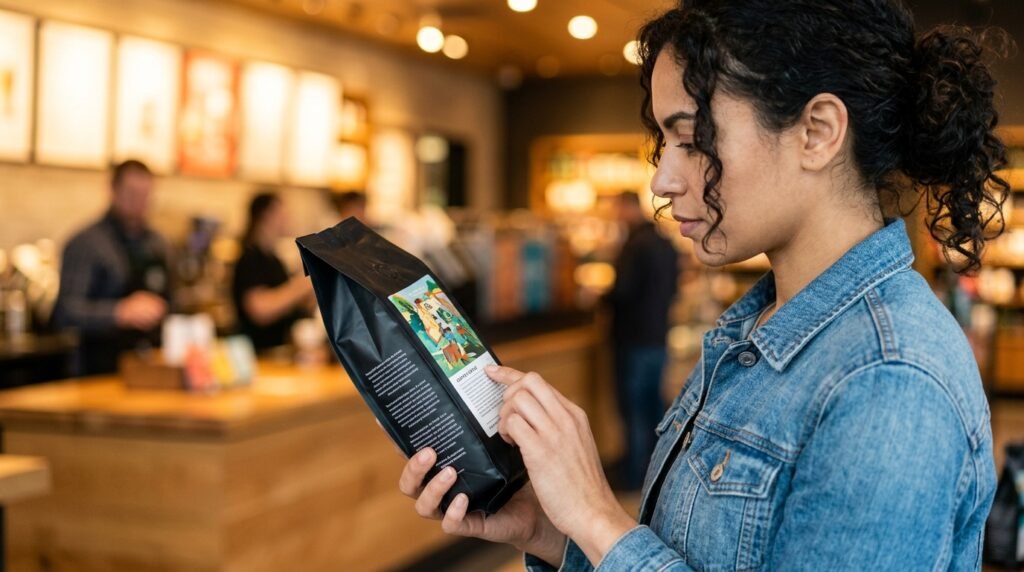
Do not look at the front of the bag. The front is just marketing art. Turn the bag around and look at the fine print on the back.
You want to see specific details. You want to see the name of a country like Kenya, Peru, or Sumatra. Ideally, you want to see a specific region within that country.
Look for an altitude measurement. Look for a processing method, such as washed, natural, or honey processed. Look for the specific botanical variety of the coffee plant, like Bourbon, Typica, or Geisha.
If a bag of coffee provides all of these details, it means the roaster is proud of the raw ingredient. It means they want you to taste the origin.
A Culinary Map
We care deeply about the origin of our food. We buy local vegetables from farmers markets. We buy cheese from specific regions in France. We buy wine from specific valleys in California.
Coffee deserves that exact same level of respect.
It is the most complex agricultural product you consume on a daily basis. A roasted coffee bean contains over a thousand unique chemical compounds. Every single one of those compounds is directly influenced by the rain, the sun, and the dirt on the farm.
Tomorrow morning, look at the bag of coffee sitting in your kitchen. If it does not tell you exactly where it came from, throw it away.
Drive to a local roaster. Buy a bag of single origin coffee. Brew it carefully. Take a sip and try to taste the environment. You will quickly realize that you are not just drinking a dark, caffeinated beverage. You are drinking a liquid map of the world. Stop settling for anonymous blends, and start traveling through your mug.
