
It was the middle of August, and my city was trapped inside a brutal, suffocating heatwave. The temperature gauge on my car dashboard read ninety eight degrees before nine in the morning. The humidity was so thick you could practically swim through the air.
My apartment air conditioning unit was rattling violently, completely losing the battle against the summer sun.
I woke up, walked into my sweltering kitchen, and stared at my beloved pour over coffee setup. I am a deeply habitual person. I drink hot coffee every single morning of the year. But standing in that hot kitchen, the mere thought of drinking a steaming, two hundred degree cup of dark liquid made me feel physically ill.
I needed caffeine to function, but I needed it to be freezing cold.
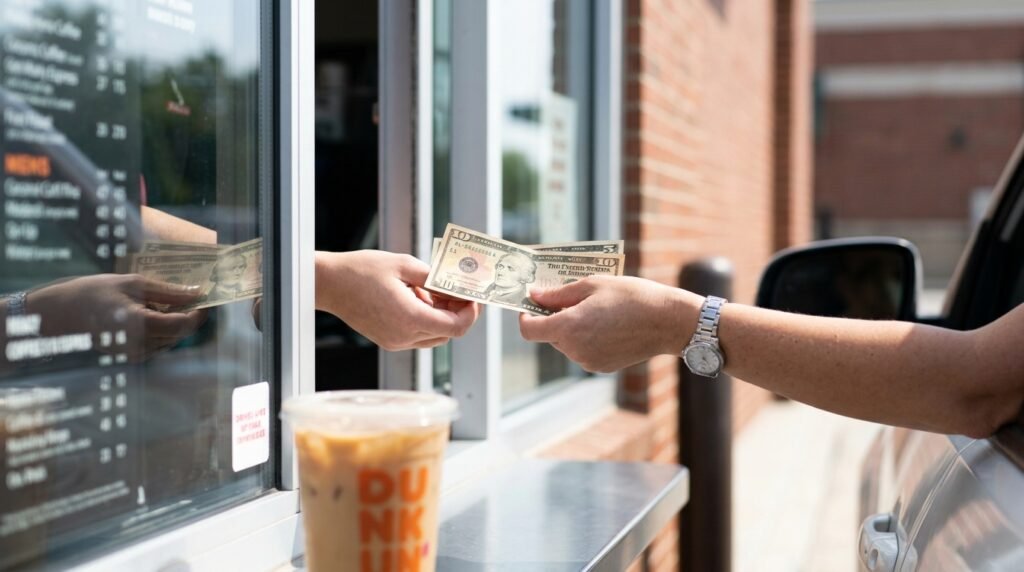
For the first few days of the heatwave, I took the lazy route. I drove to a popular drive thru coffee chain and paid six dollars for a massive plastic cup of iced coffee. It tasted terrible. It was watered down, violently bitter, and mostly consisted of crushed ice. I was paying premium prices for brown water.
I decided I had to take matters into my own hands. I refused to spend another six dollars on bad iced coffee. I decided to dedicate the next seven days to mastering cold brew in my own kitchen.
What I learned after trying cold brew at home for a week completely changed my summer routine. It taught me patience, it taught me chemistry, and it introduced me to the most dangerous caffeine jolt of my entire life.
The Difference Between Iced and Cold Brew
Before I started my week long experiment, I had to understand what I was actually making. I assumed cold brew was just a fancy marketing term for iced coffee.
I was completely wrong. They are two entirely different scientific processes.
Standard iced coffee is brewed hot. A barista brews a normal, hot pot of coffee and then immediately pours that hot liquid over a massive bucket of ice to chill it. The sudden drop in temperature shocks the coffee. The melting ice instantly dilutes the flavor. Furthermore, as hot coffee cools down rapidly, it oxidizes. This oxidation creates a stale, bitter, and highly acidic flavor profile.
Cold brew is never exposed to heat. From the very first second the water touches the coffee grounds, the temperature is cold.
Because you are using cold water, the extraction process changes entirely. Cold water does not have the thermal energy required to pull out the harsh, bitter tannins and the sharp fruit acids found in the coffee bean. It only extracts the heavy sugars and the smooth chocolate notes.

Day One: The Waiting Game
On Monday evening, I grabbed a massive glass mason jar from my pantry. I was ready to brew.
I learned very quickly that cold brew requires an intense amount of forward planning. You cannot wake up on Tuesday morning and decide you want cold brew for breakfast. The cold water extraction process is agonizingly slow.
I poured a large amount of coffee beans into my hand grinder. I set the burrs to a very coarse setting. You want the grounds to look like heavy breadcrumbs. If you grind the coffee into a fine dust, the long steeping process will pull out nasty, muddy flavors. Understanding this physical barrier was a harsh lesson, and it completely mirrors the frustration I documented in What I Discovered About Grinding Coffee Too Fine when I first started upgrading my kitchen tools.
I dumped the coarse grounds into the glass jar. I filled the jar with cold, filtered water. I stirred the mixture with a wooden spoon, making sure all the dry grounds were fully saturated.
Then, I put the lid on the jar and placed it in the refrigerator.
And then I waited. I had to wait a full eighteen hours. Staring at that jar of muddy water sitting next to my milk and eggs was an exercise in extreme delayed gratification.
Day Two: The Filtration Mess
Tuesday morning arrived. The eighteen hour mark had passed. I pulled the cold glass jar out of the fridge. The liquid inside was pitch black.
Now came the hardest part of the entire process. I had to separate the wet coffee grounds from the liquid.
I grabbed a fine mesh kitchen strainer and a large mixing bowl. I placed a paper coffee filter inside the strainer and poured the contents of the mason jar through it.
It was an absolute disaster.
The paper filter clogged almost immediately. The thick coffee sludge blocked the pores of the paper. The dark liquid started overflowing onto my kitchen counter. I spent twenty minutes frantically grabbing paper towels, trying to clean up the sticky mess while simultaneously trying to squeeze the liquid through the clogged filter.
I eventually salvaged about a quart of dark, heavy coffee. It took much longer than I anticipated. I realized that if I was going to do this every week, I needed a better filtration system. A simple French Press would solve the problem instantly, but using a paper filter and a strainer was a terrible strategy.
The First Taste of the Concentrate
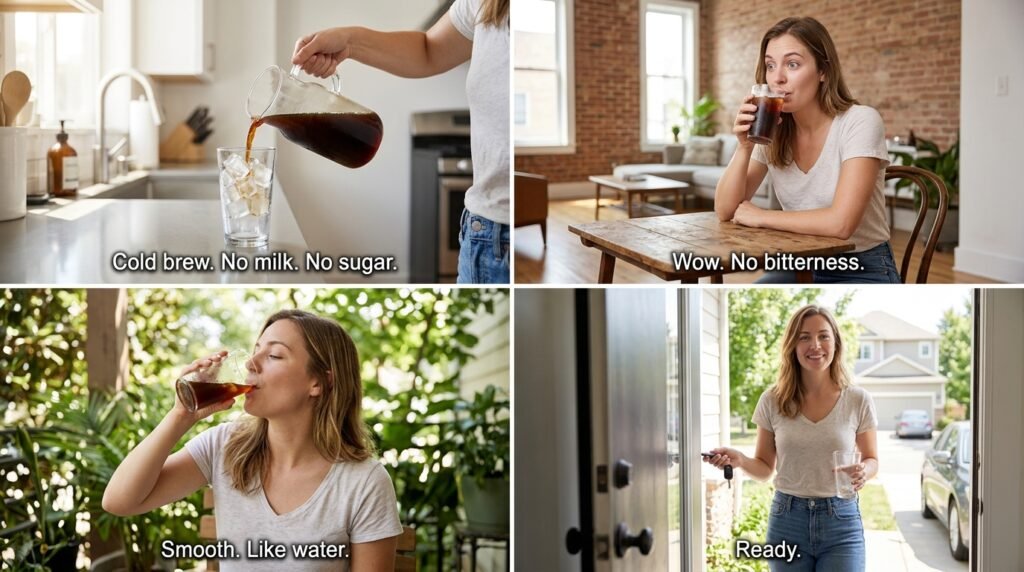
I grabbed a glass, filled it to the brim with ice cubes, and poured my freshly filtered cold brew directly into the glass. I did not add any milk. I did not add any sugar.
I took a sip.
My eyes widened. The flavor was staggering. It tasted absolutely nothing like the hot coffee I brewed every morning.
There was zero bitterness. There was no sharp, acidic bite on the back of my throat. It went down smoother than a glass of water. The flavor was incredibly rich, dense, and heavily dominated by notes of dark cocoa and sweet molasses.
It was so smooth that it almost felt dangerous. It tasted like a dessert beverage. I took three massive gulps in quick succession. The freezing cold liquid immediately lowered my body temperature. I felt completely refreshed and ready to tackle the hot summer day.
I grabbed my car keys and headed to work.
Day Three: The Caffeine Shock
Wednesday was the day I learned a terrifying biological lesson about cold brew.
I repeated my exact routine from the day before. I filled a massive travel tumbler with ice, poured my cold brew straight to the top, and drove to the office. I drank the entire tumbler before 10:00 AM.
By 11:30 AM, my heart was beating out of my chest.
I felt a frantic, vibrating energy pulsing through my arms. I could not sit still in my desk chair. My thoughts were racing. I had consumed far too much caffeine, and I was experiencing a severe physical crash.
I had to do some frantic internet research to figure out why my home brewed iced coffee was attacking my nervous system. I quickly discovered my critical error.
Cold brew is not just cold coffee. It is a highly potent chemical concentrate.
Because you use a massive amount of coffee grounds, and because you let them steep in water for up to twenty four hours, the water extracts nearly every single milligram of caffeine available in the beans. Time is the ultimate caffeine extractor.
When you buy cold brew at a coffee shop, the barista does not serve you straight cold brew. They cut the concentrate with cold water or milk to dilute the caffeine down to a safe, drinkable level.
I had been drinking straight, uncut concentrate. I had essentially consumed the caffeine equivalent of six shots of espresso in less than an hour. Experiencing that terrifying, vibrating heart rate was a massive wake up call, which is exactly why I wrote a dedicated guide detailing The Morning I Tried My First Cold Brew Concentrate. It is a beverage that demands absolute respect and proper dilution.
Day Four: Perfecting the Ratio
On Thursday, I approached my morning glass with a lot more caution.
I filled my cup halfway with ice. I poured the dark cold brew concentrate until the glass was half full. Then, I filled the remaining half of the glass with cold, filtered water. I added a small splash of oat milk for texture.
I stirred the liquid and took a cautious sip.
The dilution was exactly what the beverage needed. The water opened up the flavor profile. The heavy, dark chocolate notes were still prominent, but the coffee felt much lighter on my palate. Best of all, I drank the entire glass and did not experience a terrifying heart rate spike later in the afternoon.
I had finally found the golden ratio. One part coffee concentrate to one part water. It was the perfect balance of flavor and safe caffeine intake.
Day Five: The Beauty of Batch Brewing
By Friday, the heatwave was still raging outside, but my mornings had become incredibly peaceful.
Because I had brewed a massive batch of concentrate on Wednesday night, I did not have to actually make coffee on Thursday or Friday. The hard work was already done.
This is the hidden genius of cold brew. It is the ultimate meal prep for caffeine addicts.
When you brew hot coffee, you have to stand in the kitchen every single morning. You have to boil water, weigh beans, and actively participate in the extraction. If you are rushing to get to work, that ten minute process feels like a massive chore.
With cold brew, your morning routine takes exactly thirty seconds. You open the fridge, pour the concentrate into a glass, add water and ice, and walk out the door. The convenience is unbeatable.
Establishing this weekend prep habit completely streamlined my busy weekdays. It provided a sense of calm reliability, serving as the exact foundation for The Simple Routine That Makes My Coffee Taste Better. Knowing a perfect glass of coffee is already waiting for you in the fridge removes a massive layer of morning anxiety.
Day Six: Financial Clarity
On Saturday morning, I sat at my kitchen table and did some simple math.
During the first few days of the heatwave, I was spending six dollars a day at the drive thru. That equals forty two dollars a week just for iced coffee.
My home brewed setup was drastically cheaper. A high quality, twelve ounce bag of specialty coffee beans from my local roaster cost me eighteen dollars. That single bag of beans yielded enough heavy concentrate to last me an entire week.
By simply soaking coffee grounds in a glass jar overnight, I was saving twenty four dollars a week. That translates to nearly a hundred dollars a month.
The markup on commercial cold brew is astronomical. Coffee shops charge a massive premium because the steeping process takes twenty four hours, tying up their equipment and refrigerator space. You are paying for their patience.
When you realize how incredibly simple the process is to replicate at home, paying six dollars for a plastic cup feels like financial robbery.
Day Seven: The Final Verdict
Sunday marked the end of my week long cold brew experiment. The heatwave finally broke. A massive rainstorm rolled through the city, dropping the temperature back down to a comfortable seventy degrees.
I walked into my kitchen, looked at the remaining cold brew concentrate in my fridge, and then looked at my metal gooseneck kettle sitting on the stove.
I chose the kettle. I missed my hot coffee.
Despite how much I enjoyed the convenience and the sweet chocolate flavor of the cold brew, I realized that I am inherently a hot coffee drinker. I missed the bright, juicy fruit acids that only hot water can extract. I missed the aromatic steam rising from the mug. I missed the physical warmth in my hands.
Cold brew is an incredibly heavy, monochromatic beverage. It does one flavor note really well, but it completely lacks the delicate nuance and floral complexity of a hot pour over.
A Summer Survival Tool
I did not permanently switch to cold brew. But the experiment was an absolute success.
Cold brew is now a permanent weapon in my coffee arsenal. It is a highly specialized tool designed for very specific circumstances.
When the winter snow is falling, I will never touch a cold brew. But when August rolls around, and the humidity makes it difficult to breathe, I know exactly what to do. I will pull the large glass mason jar out of the pantry. I will grind a massive batch of beans on a coarse setting. I will wait the agonizing eighteen hours.
If you are tired of spending premium money on watered down, bitter iced coffee at drive thru windows, you need to try this experiment.
Buy a bag of good beans. Find a large jar. Soak them in cold water overnight. Strain the mud carefully. And please, dilute the final liquid before you drink it. Your bank account will grow, your summer mornings will become incredibly easy, and your heart will not explode from caffeine shock. Cold brew is a game of patience, and the smooth, sweet reward is absolutely worth the wait.
Hi, I’m the coffee enthusiast behind Coffee Nerd Lab.
Like many people, I started drinking coffee simply because it helped me wake up in the morning. Over time, that daily habit turned into a genuine interest in understanding what makes a great cup of coffee. I began experimenting with different beans, brewing methods, grinders, and coffee gear, learning through trial and error along the way.
This blog is where I document that journey. Every article is inspired by real experiences, discoveries, and lessons I’ve learned while exploring the world of coffee. From brewing guides and equipment reviews to practical tips and coffee basics, my goal is to share useful information in a way that’s easy to understand and enjoyable to read.
Thanks for stopping by, and I hope Coffee Nerd Lab helps you enjoy your next cup a little more than the last.