
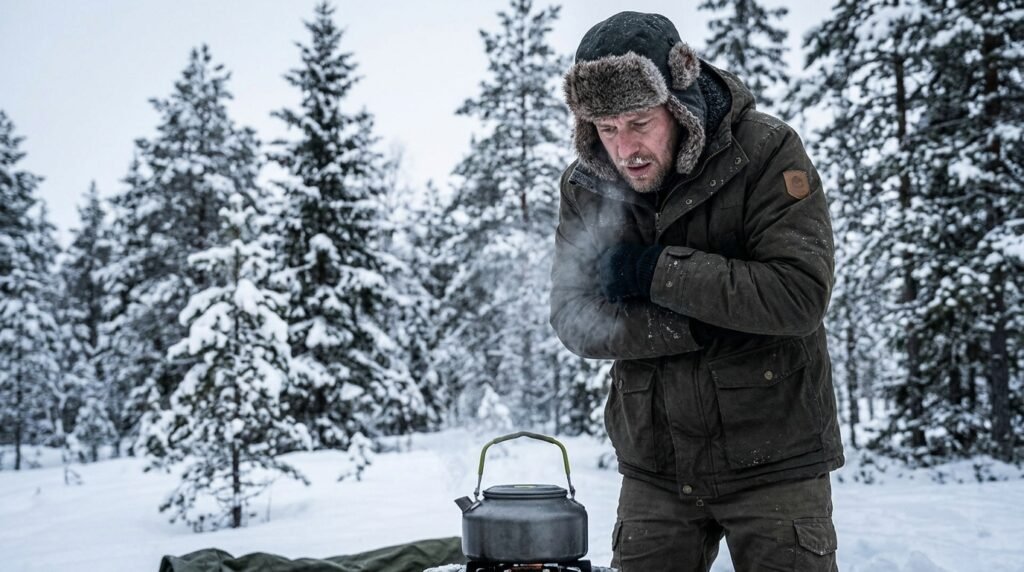
I woke up shivering inside a thin nylon tent. The temperature had dropped well below freezing overnight. I unzipped my heavy sleeping bag, put on my boots, and crawled out into the crisp mountain air. I was miles away from civilization on a weekend camping trip. I had one singular goal in my mind. I desperately needed a hot cup of coffee.
I walked over to the wooden picnic table at the edge of my campsite. I started laying out my supplies. I had a small propane camp stove. I had a metal kettle. I had a manual hand grinder. I had a sealed bag of premium, freshly roasted coffee beans.
I reached back into my plastic storage bin to grab my durable plastic travel brewer. My hand hit the bottom of the empty bin. I pushed a few camping plates aside. The brewer was not there.
I frantically searched my car trunk. I checked the bottom of my hiking backpack. I emptied my duffel bag onto the dirt. Nothing. I had left my brewing device sitting perfectly clean and completely useless on my kitchen counter three hundred miles away.
I stood in the freezing woods and stared at my pile of premium supplies. I had fire. I had fresh water. I had expensive coffee beans. But I had absolutely zero machinery. I had no paper filters, no plastic cones, and no French press.
It was a frustrating oversight. That missing plastic cone was exactly The Equipment Mistake I Made When I Started Brewing Coffee coming back to haunt me. I was entirely focused on the ingredient and completely forgot the tool. But I refused to pack up my tent and drive to a diner. That freezing morning was the day I tried making coffee without a machine. It taught me more about the raw physics of extraction than years of using expensive appliances.
The Illusion of the Appliance
When you stare at a pile of coffee beans and a kettle of water, you are forced to ask a very basic question. What does a coffee machine actually do?
We have spent decades allowing appliance companies to overcomplicate our mornings. We buy massive metal boxes with digital screens, blinking lights, and programmable timers. We buy machines that beep, grind, tamp, and froth. We start to believe that the machine creates the coffee.
The machine does absolutely nothing magical.
Coffee brewing is just basic chemistry. It is the act of using hot water as a solvent to pull flavor compounds out of a roasted seed. That is the entire process. A coffee machine is just a convenient bucket that holds the water and the grounds together for a few minutes. Then, it uses a piece of paper or metal to separate the wet trash from the tasty liquid.
You do not need a machine to extract flavor. You just need hot water and time. I decided to use the oldest, most raw brewing method on the planet. I was going to make traditional cowboy coffee.

Grinding for the Dirt
The first step was preparing the coffee beans. I knew this step would make or break the entire experiment.
When you use a normal coffee maker, the paper filter catches all of your mistakes. If you grind the coffee into a fine, dusty powder, the paper stops that powder from ending up in your mug.
I did not have a paper filter. I had nothing to protect my mouth from the coffee grounds. If I ground the beans too finely, I would end up drinking a gritty, horrific mud soup.
I took my manual hand grinder and adjusted the ceramic burrs. I opened the gap between the burrs as wide as it would go. I poured a handful of the Ethiopian beans into the hopper and started cranking the handle.
The grounds fell into the catch bin. They were massive. They looked like coarse gravel or thick sea salt. The pieces were large, jagged, and distinct. This coarse texture was my only defense against drinking sludge.
The Open Pot Method
I turned on my small propane camp stove. I placed my metal kettle over the blue flame. The kettle was filled with exactly two cups of cold, filtered water.
I waited for the water to reach a violent, rolling boil.
Once the water was bubbling aggressively, I turned the flame off. I did not want to boil the coffee grounds. Boiling coffee grounds directly over an open flame instantly incinerates the delicate natural sugars. It destroys the nuanced flavors and leaves you with a harsh, bitter liquid that tastes like burnt rubber.
I waited thirty seconds for the rolling boil to calm down.
Then, I took my coarse coffee grounds and dumped them directly into the open kettle. The hot water reacted instantly. The grounds foamed, hissed, and aggressively expanded. The smell of dark chocolate and toasted nuts completely filled the cold mountain air.
I was officially brewing coffee. There were no buttons involved. There were no blinking lights. There was just hot water reacting with raw agriculture inside a tin pot.
The Problem of the Crust
I looked down into the dark kettle. The coffee grounds did not sink to the bottom.
Freshly roasted coffee contains a massive amount of trapped carbon dioxide gas. When hot water hits the coffee, that gas rapidly escapes. The escaping gas causes the coffee grounds to float. They gather at the very top of the water and form a thick, solid layer.
In the coffee industry, this floating layer is called the crust.
If you leave the crust alone, the coffee will not extract properly. The dry grounds sitting on top of the crust will never touch the water.
I grabbed a clean wooden stick from the picnic table. I used the stick to gently break the crust. I stirred the top layer of the dark liquid exactly three times. The solid wall of coffee grounds broke apart. A beautiful, tan foam bloomed across the surface.
I stepped back and looked at my watch. I decided to let the mixture steep for exactly four minutes.
The Cold Water Trick
The four minutes passed slowly in the freezing cold. I was shivering, but the anticipation kept me focused.
The brewing process was finished. The water had pulled all the sweet sugars and heavy oils out of the coarse grounds. But I had a massive physical problem remaining.
The liquid was still full of floating coffee grounds. If I poured the kettle into my mug right now, I would get a mouthful of wet gravel. I needed a way to force the floating grounds to sink to the absolute bottom of the kettle. I needed gravity to do the job of a paper filter.
I remembered an old trick I had read about years ago.
I grabbed a water bottle from my cooler. The water inside the bottle was freezing cold. I poured a tiny, one ounce splash of that freezing water directly into the hot kettle.
The reaction was instantaneous. The sudden drop in temperature at the surface of the liquid disrupted the buoyancy of the coffee grounds. The cold water forced the heavy grounds to sink rapidly. Within ten seconds, the surface of the coffee was completely clear.
Applying this obscure physics lesson was incredible. It was exactly The Small Coffee Adjustment That Made a Big Impact because it transformed a muddy swamp into a drinkable beverage. It was a flawless, natural filtration system.
The Careful Pour
The heavy coffee grounds were now trapped securely at the bottom of the metal kettle. The dark, brewed coffee was floating perfectly on top.
Now came the most delicate part of the entire operation. I had to transfer the liquid to my mug without disturbing the sludge at the bottom.
I picked the kettle up very slowly. I kept my hand incredibly steady. I tilted the spout toward my tin camping mug. I poured the liquid in a slow, smooth, uninterrupted stream.
I stopped pouring when the kettle was about three quarters empty. I did not want to risk pouring the bottom layer of sludge into my cup. It is better to sacrifice a few ounces of liquid than to ruin the entire mug with grit.
I set the kettle down. I looked at the liquid inside my tin mug. It was completely opaque. It was a rich, dark amber color. A thick, shiny layer of natural coffee oil floated beautifully on the surface. There was not a single speck of solid coffee dirt in the cup.
The raw extraction process was a complete success.
The Shock of the Flavor
I wrapped my freezing, bare hands around the warm tin mug. I brought it to my lips and blew the steam away. I took my first sip.
I was fully prepared to drink a harsh, bitter, survivalist beverage. I was prepared to endure the taste just to get the caffeine into my bloodstream.
My expectations were completely wrong.
The flavor was absolutely spectacular. It was incredibly heavy. It felt thick and syrupy on my tongue. The total immersion of the coffee grounds had pulled out massive, deep notes of dark cocoa and toasted caramel.
But the most surprising element was the complete lack of bitterness. Because I had used a very coarse grind, and because I had kept the water just below boiling, I avoided over extracting the harsh tannins. The coffee was rich, sweet, and aggressively smooth.
It was significantly better than the coffee my expensive plastic machine made back home.
The Role of the Missing Paper
Sitting on a log by the dead campfire, drinking that heavy cup of coffee, I realized exactly why it tasted so different.
The secret was the missing piece of equipment. The secret was the lack of a paper filter.
When you use a standard automatic drip machine, the hot liquid has to pass through a dense paper wall. That paper wall is excellent at catching dirt. But it is also highly absorbent. The paper acts like a sponge. It absorbs all of the natural, flavorful oils present in the roasted coffee bean.
It strips the body right out of the beverage. It leaves you with a clean, but often thin and hollow cup of liquid.
By making cowboy coffee, I skipped the paper entirely. All of those heavy, sweet natural oils transferred directly from the bean, into the water, and straight into my tin mug. Those oils coated my palate and amplified the chocolate flavors.
Understanding this physical dynamic fundamentally changed my home routine. It completely informed What I Learned After Trying Different Coffee Filters when I eventually returned to civilization. It proved that a filter does not just clean the coffee. It actively shapes the final flavor profile.
The Freedom of Simplicity
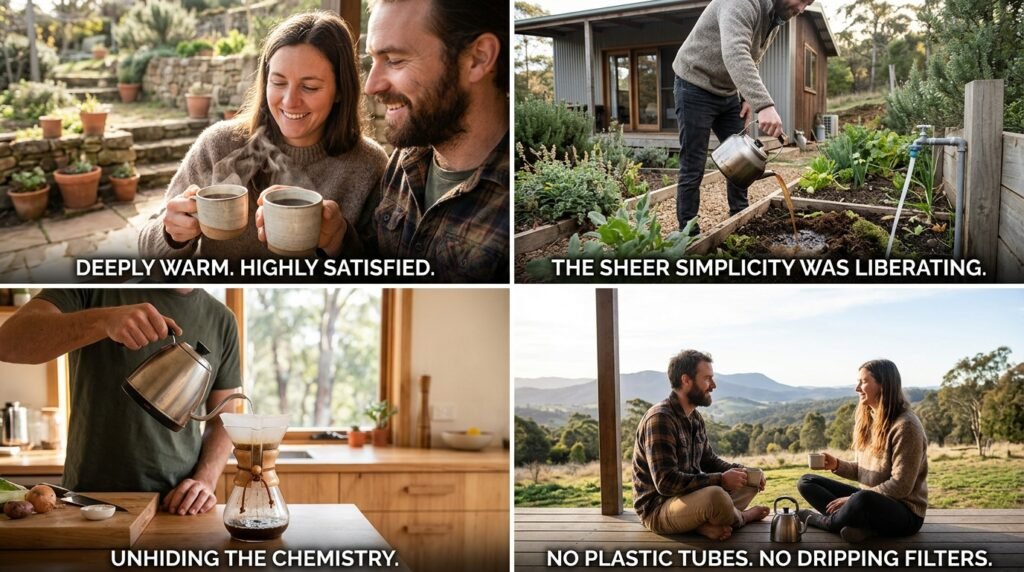
I finished my mug. I felt completely awake, deeply warm, and highly satisfied.
I dumped the muddy sludge from the bottom of the kettle into the woods. I rinsed the metal pot with clean water. The cleanup process was entirely finished in less than twenty seconds.
I did not have to descale any plastic tubes. I did not have to empty a tiny, dripping filter basket. I did not have to wipe down a dirty heating plate.
The sheer simplicity of the process was liberating. We spend so much money trying to buy convenience. We buy complicated gadgets hoping they will produce the perfect cup. We let machines automate our mornings.
But machines remove us from the process. They hide the chemistry. They hide the physical interaction between the water and the seed.
A Raw Culinary Experience
You do not need a machine to make coffee. You do not need a glass cone. You do not need a heavy French press.
Those tools are wonderful. They make the process cleaner. They make the process more consistent. I happily use them in my own kitchen every single day. But they are not strictly necessary.
If you strip everything away, coffee is just a raw, agricultural ingredient. It wants to give up its flavor. You just have to apply hot water and step out of the way.
If you ever find yourself staring at a broken coffee maker on a Tuesday morning, do not panic. Do not drive to a fast food window and buy a bitter, watered down cup of sadness.
Grab a cooking pot from your cabinet. Boil some water. Throw your coarse coffee grounds straight into the pot. Break the crust. Wait a few minutes. Add a splash of cold water to sink the mud, and pour carefully.
You will experience a heavy, visceral, and incredibly sweet cup of coffee. You will participate directly in the extraction. You will realize that the best tool in your kitchen is not an appliance with a power cord. The best tool is simply a little bit of patience and a basic understanding of physics.
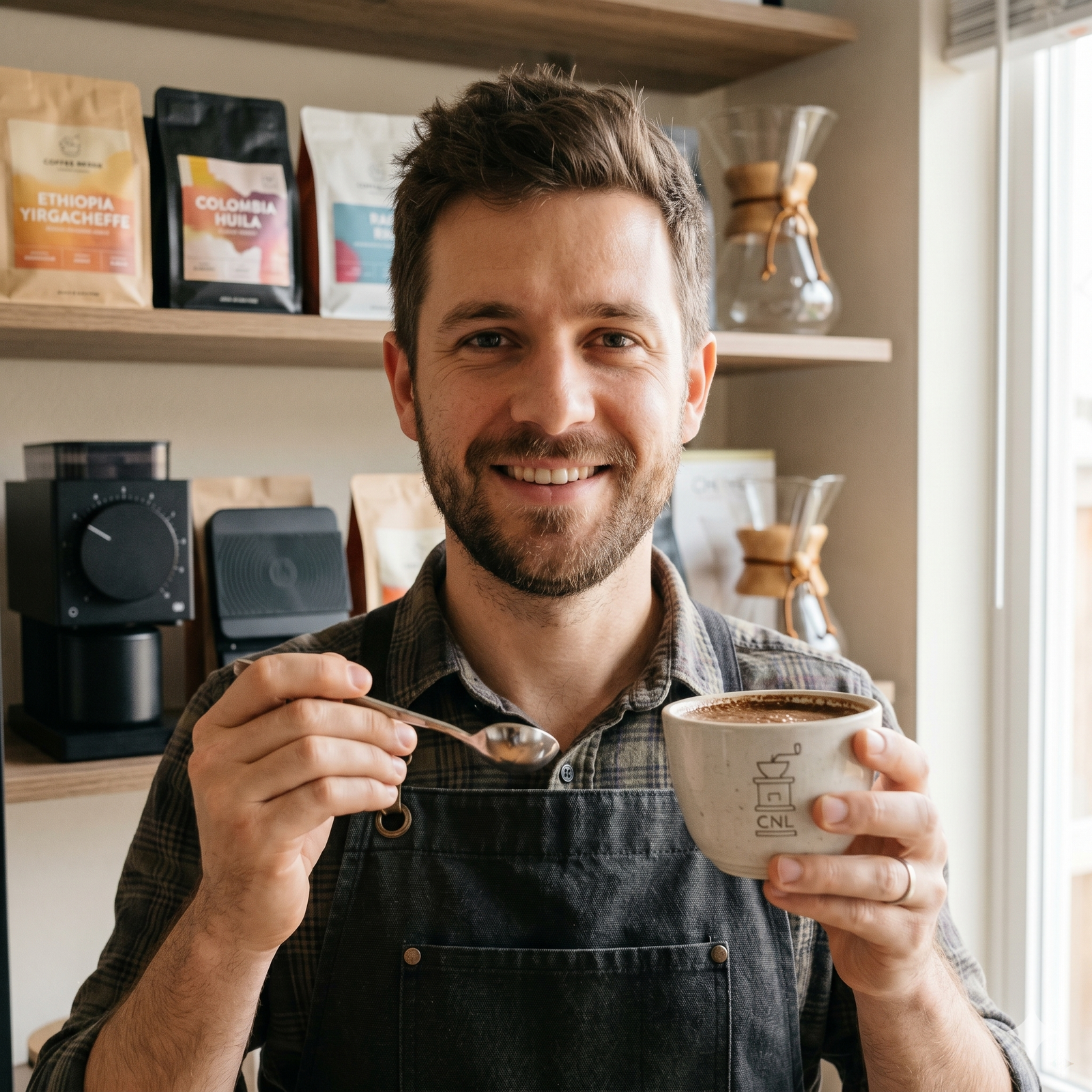
Hi, I’m the coffee enthusiast behind Coffee Nerd Lab.
Like many people, I started drinking coffee simply because it helped me wake up in the morning. Over time, that daily habit turned into a genuine interest in understanding what makes a great cup of coffee. I began experimenting with different beans, brewing methods, grinders, and coffee gear, learning through trial and error along the way.
This blog is where I document that journey. Every article is inspired by real experiences, discoveries, and lessons I’ve learned while exploring the world of coffee. From brewing guides and equipment reviews to practical tips and coffee basics, my goal is to share useful information in a way that’s easy to understand and enjoyable to read.
Thanks for stopping by, and I hope Coffee Nerd Lab helps you enjoy your next cup a little more than the last.