
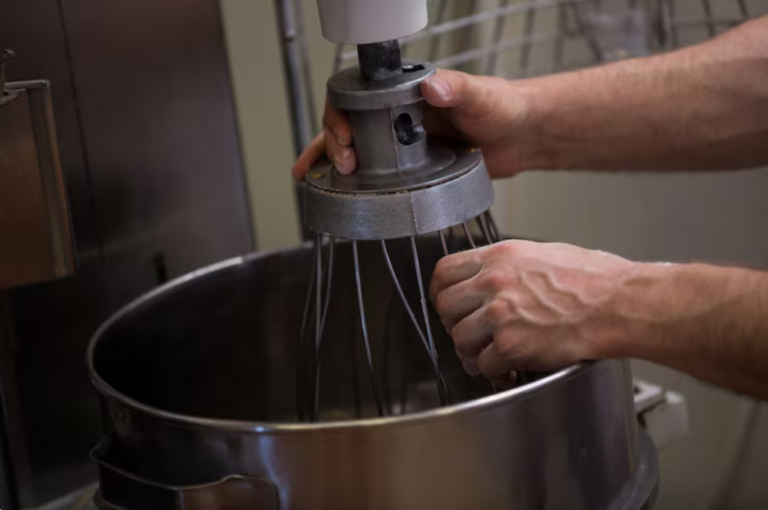
I rented a small, rustic cabin in the mountains for a quiet weekend away from the city. The online listing warned that the property was entirely off the grid. There was no internet. There was no cell service. There was certainly no electric coffee maker on the kitchen counter.
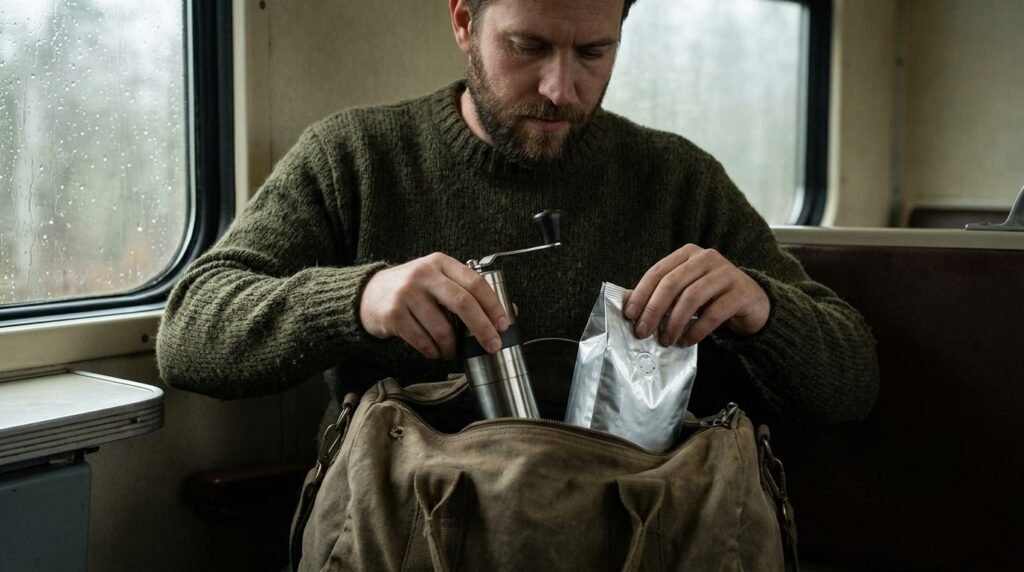
I unpacked my duffel bag and pulled out a strange glass cylinder wrapped in a thick sweater. It had a metal handle and a flat plunger sticking out of the lid.
It was a French Press. A coworker had gifted it to me nearly a year ago. It had been sitting in the very back of my kitchen cabinet, collecting dust behind stacks of ceramic bowls. I only brought it with me because I knew I would need caffeine, and this device required zero electricity to operate.
I had never used one before. I assumed it was foolproof. You just put coffee and water in the glass, push the lever down, and drink.
My arrogant assumption set me up for a spectacular failure. My first attempt at using this classic manual brewer was an absolute disaster. I ended up drinking a bitter, gritty swamp of a beverage. But that spectacular failure forced me to actually learn the mechanics of extraction. It forced me to slow down and respect the tool in my hands.
The Morning Disaster
I woke up the next morning to a freezing cold cabin. The fire in the woodstove had died overnight. I was desperate for a hot cup of coffee to warm my hands.
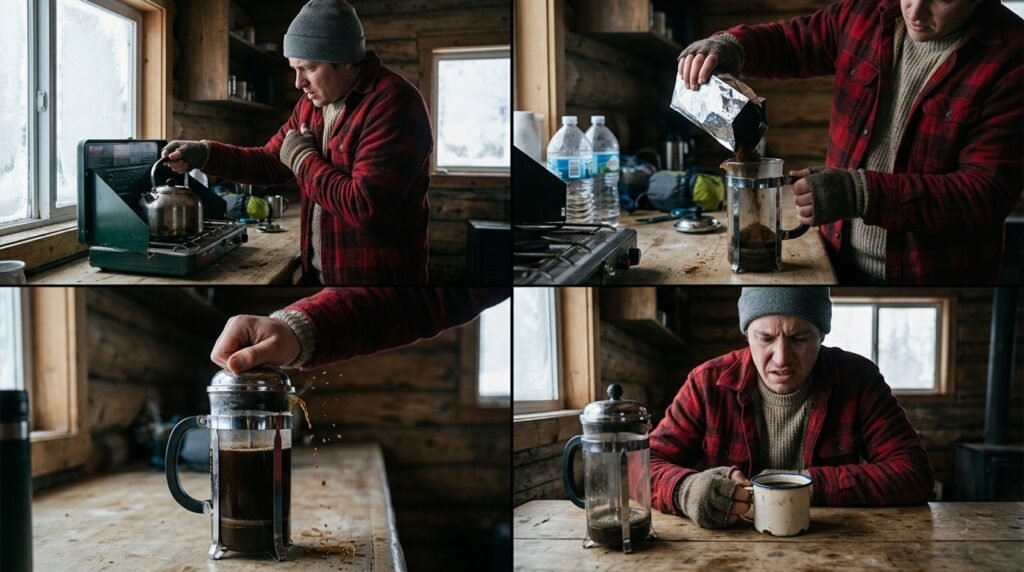
I grabbed a small metal kettle, filled it with bottled water, and set it on the propane camp stove to boil.
While the water heated up, I grabbed a bag of pre-ground supermarket coffee I had bought at a gas station on the drive up. I dumped a massive, unmeasured pile of the dark brown powder directly into the bottom of the glass French Press.
The kettle started whistling. I took it off the heat and immediately poured the violently boiling water straight into the glass cylinder. The coffee grounds foamed and hissed. I filled the water right up to the metal rim.
Then, I made my biggest mistake.
I immediately grabbed the lid, placed it on top of the glass, and pushed the plunger down.
The plunger fought back. The fine coffee powder had created a solid wall of mud at the bottom of the metal filter. I pressed harder. The metal mesh bent slightly under the pressure. Hot, brown liquid squirted out of the spout and splashed onto the wooden counter.
I finally muscled the plunger to the bottom of the glass. I poured the dark liquid into a tin camp mug. It looked incredibly thick.
I took a large sip. I instantly regretted it.
Drinking the Mud
The liquid was scalding hot. It burned the roof of my mouth. But the temperature was not the worst part.
My mouth was entirely coated in a thick, powdery grit. It felt like I had just taken a bite of wet sand. The coffee was overpoweringly bitter. It tasted like scorched earth and burnt rubber. I actually had to spit the sip out into the kitchen sink.
I looked at the glass cylinder sitting on the counter. The bottom two inches were packed with a dense, solid block of coffee sludge. The liquid floating above it looked murky and cloudy.
I poured the entire batch down the drain. I washed the glass out with cold water. I stood in the freezing kitchen and realized I had to change my approach. I was treating a manual brewing tool like a fast food dispenser. I needed to understand what was actually happening inside that glass beaker.
The Mechanics of Immersion
I sat down at the wooden dining table and thought about the physics of the device.
A French Press operates on a very specific brewing principle called full immersion. This means the coffee grounds and the hot water sit together in a shared space for the entire brewing cycle.
This is completely different from a standard automatic drip machine. A drip machine uses a paper filter. The water passes through the coffee, grabs the flavor, and drips out the bottom. The paper catches all the grit and all the physical debris.
A French Press does not use paper. It uses a thin, woven metal mesh.
That metal mesh is the key to the entire operation. The holes in the metal are small, but they are not microscopic. They are designed to stop large pieces of coffee from entering your mug. They are absolutely not designed to stop fine dust.
I realized exactly why I was chewing on sand. I had used a bag of pre-ground coffee. Supermarket coffee is ground very finely so it can work in a paper filter drip machine.
When you put fine powder into a metal mesh filter, the powder simply slips right through the holes. It floats directly into the final beverage. Understanding this physical limitation is exactly What I Discovered About Grinding Coffee Too Fine when I finally decided to troubleshoot my kitchen setup. You cannot use fine powder in a French press. It turns the coffee into mud.
The Grind Size Correction
I needed to change the physical shape of my coffee ingredient.
Luckily, I had brought a small manual hand grinder in my duffel bag, along with a sealed bag of whole coffee beans from a local roaster.
I pulled the hand grinder out. I unscrewed the bottom catch bin and located the adjustment dial for the ceramic burrs. I twisted the dial to widen the gap between the burrs. I set it to the absolute coarsest setting possible.
I poured a handful of the whole beans into the top hopper. I turned the metal crank handle for two minutes.
When I opened the bottom of the grinder, the coffee looked entirely different from the gas station powder. It looked like coarse sea salt. It looked like heavy breadcrumbs. The pieces were large, jagged, and distinct.
This coarse grind size would solve two problems. First, the large pieces would not be able to slip through the metal mesh filter. My cup would be clean. Second, the larger surface area would slow down the extraction process. The boiling water would not be able to pull out the bitter, harsh flavors instantly.
The Virtue of Patience
I washed the glass cylinder one more time and started over.
I boiled a fresh kettle of water. I poured exactly three tablespoons of the coarse coffee grounds into the bottom of the empty French Press.
I took the kettle off the stove. I waited sixty seconds for the water to stop a rolling boil. Pouring aggressively boiling water over coffee burns the delicate natural sugars. I wanted the water hot, but calm.
I slowly poured the hot water over the coarse grounds in a circular motion. I filled the glass halfway and stopped.
I did not touch the plunger. I took a deep breath and stepped back.
This was the hardest adjustment for my brain to make. I was used to fast results. I wanted my caffeine immediately. But immersion brewing requires time. The water needs time to penetrate the large, coarse pieces of coffee and pull the oils out into the liquid.
I looked at the clock on the cabin wall. I decided to wait exactly four minutes.
Standing in that quiet, cold kitchen, watching the dark liquid slowly steep in the glass, was a profound shift in my routine. It was peaceful. The frantic rush of my normal morning vanished. This quiet waiting period was The Coffee Moment That Made Me Curious About Brewing on a much deeper level. It proved that great results demand a deliberate pause.
Breaking the Crust
As the four minutes ticked by, I noticed something interesting happening inside the glass.
The coffee grounds did not sink to the bottom. They floated to the very top of the water. They formed a thick, solid layer of wet coffee blocking the surface. In the coffee world, this floating layer is called the crust.
When the four minutes were up, I grabbed a long wooden spoon from a drawer.
I gently pressed the back of the spoon against the floating crust. I stirred the top layer of the liquid three times. The crust instantly broke apart. A beautiful, tan foam bloomed on the surface of the coffee.
Most of the heavy, coarse coffee grounds immediately sank to the bottom of the glass cylinder.
This simple action changed everything. By breaking the crust, I ended the active extraction process. I stopped the coffee from getting overly bitter. I also cleared the path for the metal filter.
The Gentle Plunge
Now it was time for the final step.
I placed the metal lid on top of the glass cylinder. The flat metal mesh filter rested gently on the surface of the liquid.
I placed my hand on the top knob. I pushed down very slowly.
Because I had used a coarse grind, and because I had stirred the crust to let the grounds sink, there was almost zero physical resistance. The metal rod glided down smoothly. It did not fight back. The metal mesh gently trapped the large coffee pieces at the absolute bottom of the glass.
The liquid sitting above the filter was a deep, rich, dark amber. It was completely opaque, but it was smooth. There was no mud in sight.
The Heavy Body Experience
I grabbed a clean ceramic mug from the shelf. I slowly poured the coffee from the French Press.
The liquid poured heavily. It looked thicker and more substantial than normal coffee.
I let it cool for a minute. I brought the mug to my lips and took a sip. The flavor hit my palate like a freight train.
It was massive. It was rich, deep, and incredibly earthy. There was no sand coating my teeth. There was no harsh, burnt bitterness burning the back of my throat. I tasted dark cocoa, toasted walnuts, and a heavy, syrupy sweetness.
The texture of the beverage was the most surprising element. It felt luxurious. It coated my tongue in a way that regular drip coffee never did.
I finally understood the appeal of the French Press. Because there is no paper filter involved in the brewing process, all of the natural, heavy oils found inside the coffee bean stay in the final liquid. A paper filter absorbs those oils and strips the body away. The metal mesh lets everything through.
You do not drink a French Press for bright, acidic fruit notes. You drink it when you want a heavy, comforting, massive cup of coffee.
The Cleanup Routine
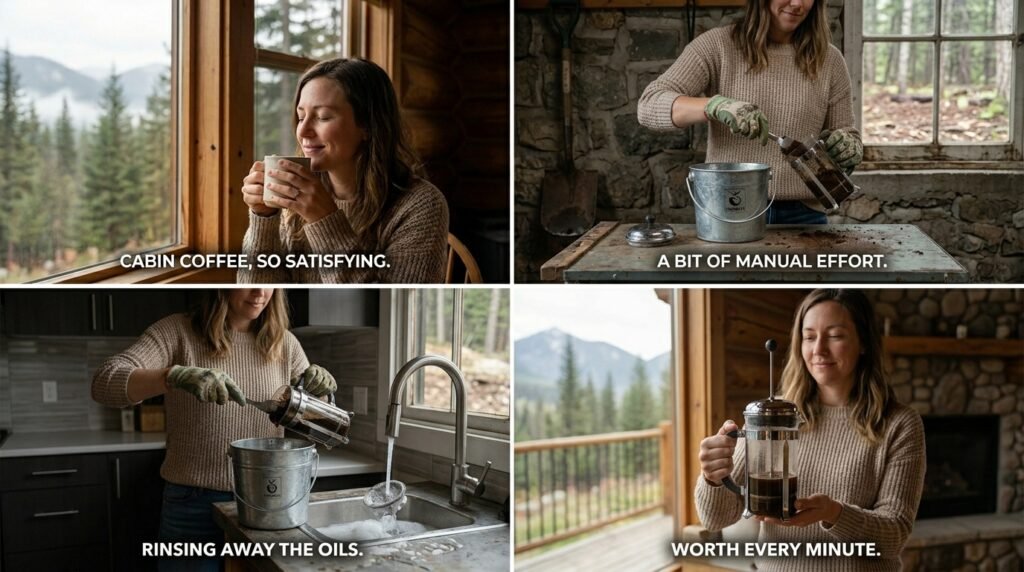
I drank the entire mug sitting by the front window of the cabin. It completely warmed my body. I felt incredibly satisfied. I had taken a tool I did not understand and engineered a successful result.
However, the French Press does have one minor drawback. The cleanup process requires a bit of effort.
You cannot just pull a tidy paper filter out of the machine and throw it in the trash. You are left with a glass beaker full of wet, heavy coffee grounds.
I learned very quickly not to dump those grounds down the sink. Coarse coffee grounds will destroy plumbing in a matter of days. I had to grab a spatula, scrape the wet grounds out of the bottom of the glass, and throw them in the compost bin. Then, I had to unscrew the metal mesh filter and rinse the trapped oils away with hot water and dish soap.
It takes an extra three minutes to clean. But the resulting flavor is absolutely worth the minor manual labor.
A Permanent Kitchen Fixture
When I packed my bags to leave the cabin on Sunday afternoon, I wrapped the glass cylinder safely back in the thick sweater. I was not going to push it to the back of my cabinet ever again.
That disastrous first attempt taught me the fundamental rules of extraction. It taught me the relationship between grind size, water contact time, and physical filtration.
Today, that simple glass device sits proudly on my kitchen counter. It requires no disposable paper filters. It requires no electricity. It has no internal heating elements that will eventually break or scale over with hard water minerals. It is a brilliant, nearly indestructible piece of engineering.
Because the actual hands-on time is incredibly low, it eventually became The Brewing Method That Suits My Busy Mornings. You boil water, pour it over coarse grounds, set a timer, and go brush your teeth. When you come back to the kitchen, a massive, rich cup of coffee is waiting for you.
If you have a French Press sitting in a box somewhere in your house, I highly recommend pulling it out. Do not use fine supermarket powder. Buy fresh beans. Grind them coarse. Wait four minutes. Push the plunger down slowly.
You will experience a heavy, full-bodied cup of coffee that a plastic automatic machine simply cannot replicate. It takes a little bit of patience, but the flavor will completely change your morning routine.

Hi, I’m the coffee enthusiast behind Coffee Nerd Lab.
Like many people, I started drinking coffee simply because it helped me wake up in the morning. Over time, that daily habit turned into a genuine interest in understanding what makes a great cup of coffee. I began experimenting with different beans, brewing methods, grinders, and coffee gear, learning through trial and error along the way.
This blog is where I document that journey. Every article is inspired by real experiences, discoveries, and lessons I’ve learned while exploring the world of coffee. From brewing guides and equipment reviews to practical tips and coffee basics, my goal is to share useful information in a way that’s easy to understand and enjoyable to read.
Thanks for stopping by, and I hope Coffee Nerd Lab helps you enjoy your next cup a little more than the last.