

I sat down at my computer testing a new automated habit tracking application. The digital interface was incredibly smooth. I spent two hours building a strict daily schedule. Part of my job as a digital creator involves constantly clearing out old data. If a website starts running slowly, my first instinct is always to clear the server cache. Old, redundant files clog the system and ruin the user experience.
I stepped away from the screen to brew my morning coffee.
I used highly expensive, light roasted Ethiopian beans. I weighed them perfectly. I ground them in my heavy manual burr grinder. I poured the hot water with extreme precision.
I sat back down at my desk and took a sip. The coffee tasted awful. It was muddy, heavy, and tasted slightly like old cardboard. The bright peach acidity I expected was completely missing. The simple change that made my coffee taste better required me to apply my strict digital logic to my physical kitchen. I realized I was pouring fresh data through a corrupted system. I had to clear the physical cache of my brewing hardware.
The Mystery of the Stale Cup
The terrible flavor in my mug was highly confusing. I am incredibly disciplined with my brewing variables.
My digital scale verified that my water ratio was flawless. My electric gooseneck kettle verified that my water temperature was perfectly locked at two hundred and five degrees.
My first instinct was to blame the raw ingredient. I assumed the roaster had sent me an old, stale bag of coffee. I picked up the heavy foil packaging and checked the printed label. The roast date was exactly twelve days ago.
Grasping this specific timeline was exactly How I Realized Freshness Affects Every Sip of Coffee because I knew the agricultural product was still in its prime window. The coffee beans were perfectly alive. The destruction of the flavor was happening somewhere on my kitchen counter.

Investigating the Hardware
If the beans were fresh and the water chemistry was correct, the mechanical hardware was the only remaining suspect.
I looked at my plastic V60 cone. It was completely clean. I looked at my stainless steel kettle. It was spotless inside.
Then I looked at my manual hand grinder.
It is a beautiful piece of industrial engineering. It is built from solid metal. I use it every single morning. I suddenly realized I had not actually looked inside the grinding chamber for over three months. I just dumped new beans into the top and spun the handle.
The Discovery in the Chamber
I picked up the heavy metal cylinder. I unscrewed the catch bin at the very bottom.
I turned on the flashlight on my smartphone and aimed the bright beam directly up into the sharp ceramic burrs. The visual reality was an absolute disaster.
The sharp cutting gears were completely invisible. They were heavily caked in a thick, dark brown layer of old coffee dust. Microscopic particles of coffee were wedged into every single mechanical crevice. The bottom of the grinder looked like a muddy swamp.
I brought the open cylinder close to my nose and took a breath. It smelled terrible. It smelled like rancid cooking oil and stale dirt.
The Anatomy of the Bean
To understand why the grinder gets so dirty, you have to understand the physical composition of a roasted coffee seed.
Coffee beans are not just dry pieces of wood. They are highly complex agricultural products packed with natural lipids and heavy organic oils.
When you force these hard seeds through a set of sharp ceramic or steel burrs, the beans shatter. The violent physical friction forces the natural oils out of the cellular walls. These sticky oils immediately coat the sharp edges of the grinding gears.
The Problem with Processing
The amount of oil and debris a coffee bean leaves behind depends heavily on how the farmer prepared the crop.
Understanding these raw agricultural differences was exactly What I Learned About Coffee Processing Methods because it explains the physical mechanics of the roast. Natural processed coffees leave massive amounts of sticky fruit residue and dry, flaky chaff behind.
Every time I ground a natural processed Ethiopian coffee, I was painting the inside of my expensive tool with a fresh layer of sticky organic glue. The microscopic coffee dust simply attached to the oil and hardened into a dense crust.
The Danger of the Climate
Coffee oils are highly unstable. When exposed to oxygen, they undergo a violent chemical reaction.
This reaction is called oxidation. It causes the organic fats to spoil and go completely rancid.
This degradation process is massively accelerated by ambient heat. My apartment in Rio de Janeiro gets incredibly hot during the summer afternoons. The heat acts as a catalyst. The layer of sticky coffee oil coating the inside of my grinder was actively rotting in the tropical climate.
The Cross Contamination
Once I understood the biology of the rancid oil, the terrible flavor in my mug made perfect sense.
I was taking twenty dollars of pristine, perfectly roasted African coffee. I was dropping it into the top of the grinder. I was physically forcing those fresh beans to scrape violently against a thick layer of rotting, stale coffee dust.
The fresh coffee was acting like a sponge. It immediately absorbed the rancid oils from the dirty burrs.
I was actively cross contaminating my own beverage. I was ruining the expensive ingredients before the hot water even touched them. It did not matter how perfectly I poured the water. The data was already corrupted.

The Loss of Uniformity
The rancid flavor was the biggest problem, but the dirty grinder was also causing a severe mechanical failure.
A high quality burr grinder is valuable because it produces perfectly uniform coffee particles. If the particles are exactly the same size, the hot water extracts the sugars evenly.
But my ceramic burrs were heavily clogged with old, hard dust. The sharp cutting edges were completely covered. Because the teeth were blunt, the grinder stopped slicing the beans. It started crushing them blindly.
This blunt crushing action produced massive, uneven boulders and microscopic, powdery dust. The clogged burrs completely destroyed the uniform fluid dynamics of the extraction.
The Breakdown Process
I realized I had to tear the machine apart. I had to clear the physical cache.
I carried the heavy metal grinder to my kitchen table. I laid down a clean white paper towel. I carefully unscrewed the internal adjustment dial. I removed the central steel axle. I pulled the inner ceramic burr completely out of the metal housing.
I laid the individual components out on the paper towel.
Seeing the sheer volume of trapped debris was exactly The Morning I Learned the Importance of Clean Equipment because the white paper towel was instantly covered in dark brown sludge. There were at least three grams of old coffee hiding inside the mechanical gaps.
The Dry Brush Technique
Cleaning a manual burr grinder requires a very specific approach. You must fight the instinct to use the kitchen sink.
You should never expose the internal grinding mechanisms to liquid water. The central axle and the ball bearings are built from high carbon steel. If you wash them with water, they will instantly develop microscopic rust. The rust will permanently ruin the smooth rotation of the handle.
You must use a completely dry cleaning method.
I went to a local hardware store and bought a small brush with stiff nylon bristles. It looked like a very firm toothbrush. This simple, two dollar plastic brush became an essential part of my coffee setup.
Scrubbing the Gears
I picked up the inner ceramic burr. I used the stiff nylon bristles to aggressively scrub the sharp cutting teeth.
The old, hardened coffee dust fought back. It was stuck firmly to the oxidized oils. I had to use real physical force to break the crust. As I scrubbed, the dark brown powder fell onto the white paper towel.
I spent five full minutes scrubbing the inner and outer burrs. I scrubbed the threading on the adjustment dial. I brushed out the main metal cylinder.
Eventually, the dark crust disappeared completely. The white ceramic material shined perfectly clean under the kitchen lights. The sharp cutting edges were fully exposed again.
Wiping the Oils
The stiff brush removed the solid particulate dust, but I still needed to deal with the invisible, rancid oils.
I took a clean, dry microfiber cloth. I folded it tightly. I pushed the cloth deep into the grinding chamber and twisted it violently against the metal walls.
The cloth absorbed the residual organic fats perfectly. I wiped the steel axle. I wiped the outer edges of the burrs. I wiped the inside of the catch bin. I did not use any soap. I did not use any chemical cleaners. The dry microfiber cloth simply lifted the grease away from the hardware.
Reassembling the Engine
I carefully reassembled the tool. I slid the steel axle back into the ball bearings. I attached the clean ceramic burr. I screwed the adjustment dial securely into place.
I spun the metal crank handle. The mechanical feedback was instantly different.
Before the cleaning, the handle felt slightly sluggish. The rotation felt heavy and muted. Now, the handle spun with absolute, frictionless freedom. The machine felt completely rejuvenated. It felt exactly like the day I pulled it out of the original shipping box.
The Calibration Grind
Because I had completely disassembled the tool, my previous grind settings were erased. I had to recalibrate the burrs.
I tightened the dial completely until the burrs locked. Then, I carefully counted exactly sixteen clicks backward. This is my standard baseline setting for a glass pour over.
I weighed exactly fifteen grams of fresh Ethiopian beans. I dumped them into the top of the clean machine.
I turned the handle. The sound was entirely different. It was not a dull, heavy crushing noise. It was a sharp, crisp, satisfying slicing sound. The clean ceramic teeth were cutting the hard seeds with absolute mathematical precision.
Inspecting the Output
I unscrewed the bottom catch bin. I poured the fresh coffee grounds onto a white ceramic plate.
I inspected the particles under the bright kitchen light. The visual uniformity had returned flawlessly. There were no massive, jagged boulders. There was no microscopic, powdery dust clinging to the sides of the bin. Every single particle looked exactly like a coarse grain of sea salt.
More importantly, the smell was entirely pure. The heavy odor of stale cardboard and rancid oil was completely gone. The only aroma in the room was the explosive, vibrant smell of sweet peach and jasmine.
The First Clean Extraction
I poured the uniform grounds into my paper filter. I grabbed my gooseneck kettle and started the bloom phase.
Because the particles were perfectly uniform and free of clogging dust, the hot water saturated the coffee bed instantly. The fluid dynamics were entirely stable. The water drained at a steady, perfectly predictable speed.
I finished the concentric pouring routine. I stirred the dark red liquid with a metal spoon. I waited a few minutes for the extreme heat to dissipate.
Tasting the Resolution
I sat down at my computer desk and took my first sip.
The transformation was absolute. The muddy, flat bitterness that had ruined my morning was completely erased. The liquid felt incredibly crisp and clean on my palate.
The massive, bright lemon acidity hit the front of my tongue instantly. It was perfectly articulated. The heavy peach sweetness provided a massive, syrupy body. The coffee tasted vibrant, alive, and mathematically flawless.
The agricultural product was never broken. My pouring technique was never broken. The water chemistry was never broken. The coffee simply needed a clean environment to express its true potential.
The Weekly Habit
I never allowed my grinder to become a swamp again. I established a strict maintenance protocol.
Now, every single Sunday afternoon, I take the grinder apart. I use the stiff nylon brush to scrub the burrs. I use the dry microfiber cloth to wipe away the organic oils. The entire process takes less than three minutes.
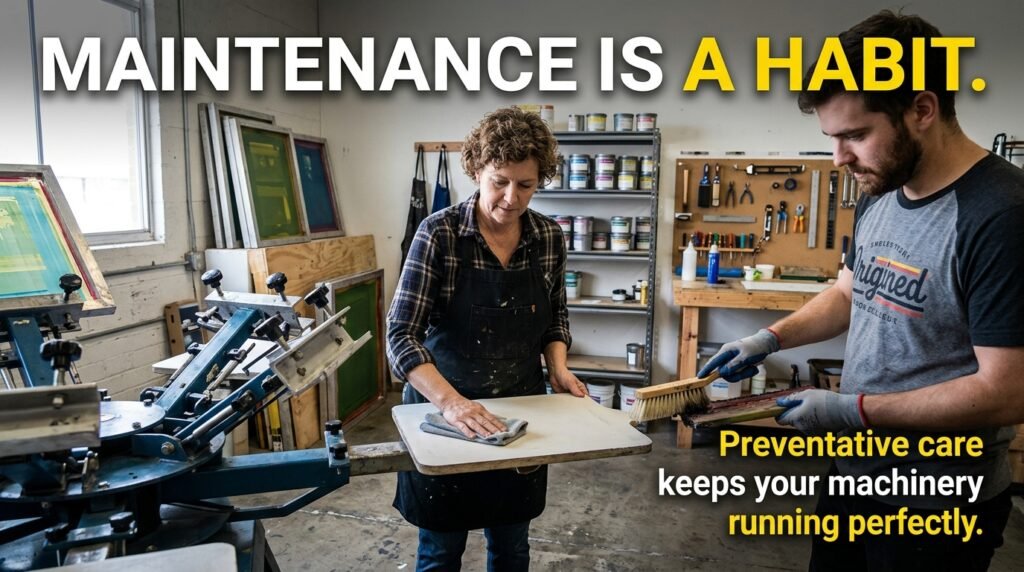
It is a completely frictionless physical habit. It is exactly the same logic as clearing my digital cache or running a virus scan on my web servers. You cannot expect high performance machinery to run perfectly if you refuse to perform basic, preventative maintenance.
Protect Your Investment
If you are currently frustrated with dull, heavy, uninteresting coffee, stop looking at your brewing recipe. Stop trying to buy more expensive beans.
Look inside your grinder.
Unscrew the bottom bin and shine a flashlight into the gears. If you see a thick, dark crust of old coffee, you are actively sabotaging your own morning routine. You are forcing a premium culinary ingredient through a filthy, rancid filter.
Go to a hardware store and buy a cheap plastic brush. Take your equipment apart. Scrub the metal. Wipe away the spoiling fats. When you finally brew a cup of coffee using a perfectly clean, highly optimized tool, the heavy fog will lift from your palate. You will stop tasting the ghost of last month’s stale coffee, and you will finally taste the brilliant clarity of today.

Hi, I’m the coffee enthusiast behind Coffee Nerd Lab.
Like many people, I started drinking coffee simply because it helped me wake up in the morning. Over time, that daily habit turned into a genuine interest in understanding what makes a great cup of coffee. I began experimenting with different beans, brewing methods, grinders, and coffee gear, learning through trial and error along the way.
This blog is where I document that journey. Every article is inspired by real experiences, discoveries, and lessons I’ve learned while exploring the world of coffee. From brewing guides and equipment reviews to practical tips and coffee basics, my goal is to share useful information in a way that’s easy to understand and enjoyable to read.
Thanks for stopping by, and I hope Coffee Nerd Lab helps you enjoy your next cup a little more than the last.