
I was walking down a narrow, tree lined street in the south zone of Rio de Janeiro. The afternoon was warm and slightly humid. I was running a few errands and looking for a place to grab a quick drink.
I heard a rhythmic, mechanical humming sound coming from an open garage door across the street.
I walked closer. A massive wave of aroma hit the sidewalk. It did not smell like the dark, bitter coffee you find in traditional bakeries. It smelled incredible. It smelled like toasted brown sugar, baking bread, and sweet fruit.
I looked inside the garage. There was no massive corporate signage. There were no plastic menu boards. There was just a beautiful, heavy cast iron machine spinning in the center of the room. A man wearing a canvas apron was pulling a lever, releasing a waterfall of hot, brown seeds into a metal cooling tray.
I had stumbled upon a small, independent coffee roastery.
I walked inside and spent an hour talking to the owner. I walked out with a single bag of whole bean coffee. That random afternoon completely rewrote my understanding of the beverage. What I learned after buying coffee from a small roastery changed my morning routine forever. It forced me to stop treating coffee like an industrial product and start treating it like a delicate agricultural craft.
The Illusion of the Supermarket Aisle
Before that afternoon, I bought all of my coffee at the massive grocery store near my apartment.
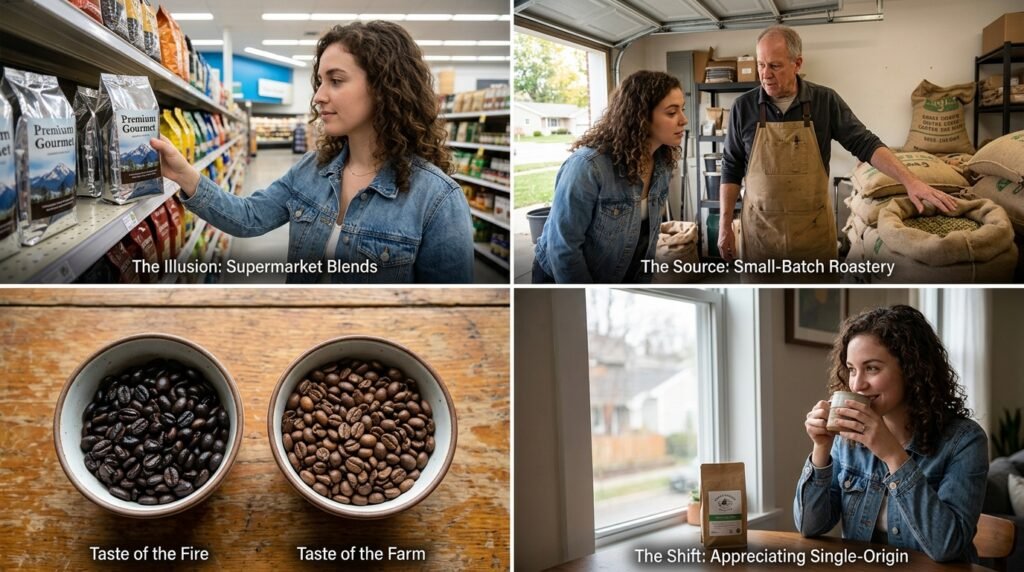
I thought I was making good choices. I bought the shiny bags that said premium and gourmet. I bought the bags with beautiful pictures of mountains and exotic animals on the front. I thought the dark, oily beans inside were the absolute pinnacle of luxury.
Standing in that small garage roastery shattered that illusion completely.
The owner pointed to a stack of heavy burlap sacks in the corner of the room. He told me that commercial supermarket coffee is a logistical nightmare. The massive corporations buy incredibly cheap, low quality beans from massive industrial farms. They mix them all together in giant silos to create a generic, anonymous blend.
Then, they roast those beans incredibly dark. They use intense fire to burn away any defective, rotten flavors. The extreme heat destroys the unique identity of the crop. You do not taste the farm. You only taste the fire.
The Disappearance of the Best By Date
I looked at the retail shelf inside the small roastery. I picked up a simple brown paper bag.
I turned the bag around to look for the expiration date. There was no expiration date. There was no generic “best by” stamp.
Instead, there was a small white sticker. The sticker had a specific day, month, and year printed on it. It was the exact date the coffee had been roasted. The date was only three days ago.
The roaster explained that coffee is a highly volatile, fresh agricultural product. It is a perishable food. When a bean leaves the hot roasting drum, it begins interacting with oxygen. The delicate volatile compounds that provide the sweet floral and fruit flavors immediately begin to evaporate.
A “best by” date on a supermarket bag is a complete lie. It tells you absolutely nothing about the age of the food.
Grocery store coffee sits in warehouses for months. It sits on shipping trucks. It sits on the retail shelf for half a year. By the time you open that shiny plastic bag in your kitchen, the coffee is completely dead. It has oxidized. The flavor has vanished.
Understanding this strict biological timeline was a massive revelation. It became the exact foundation for How I Realized Freshness Affects Every Sip of Coffee in my own kitchen. You cannot brew a dynamic, vibrant beverage if the core ingredient died six months ago.
The Transparency of the Supply Chain
I looked closer at the label on the brown paper bag. It provided an astonishing amount of information.
It did not just say the coffee was from Africa. It said the coffee was from the Sidamo region of Ethiopia. It listed the exact altitude of the farm. It listed the processing method. Most importantly, it listed the specific name of the local washing station where the farmers delivered their crop.
This level of transparency completely blew my mind.
The roaster told me he knew exactly where his money was going. He did not buy anonymous containers of coffee on the commodity market. He bought specific lots from specific farming communities. He paid a massive premium for quality, ensuring the farmers actually earned a living wage for their hard physical labor.
Buying coffee from a small roastery is a direct investment in sustainable agriculture. You are not funding a faceless corporate conglomerate. You are supporting a transparent, ethical supply chain.
The Genetic Soup of Ethiopia
I asked the roaster which bag he recommended for my personal palate. I told him I preferred bright, complex flavors.
He handed me the bag from Ethiopian Sidamo.
He explained that this specific bag was not a genetically modified hybrid plant. Ethiopia is the ancient birthplace of coffee. The forests in the Sidamo region are filled with thousands of wild, undocumented plant mutations. These are known as heirloom or landrace varieties.
When the local farmers harvest their crop, they are gathering a chaotic genetic soup of wild seeds.
The roaster told me this wild genetic diversity creates a flavor profile that cannot be replicated anywhere else on earth. He promised me the coffee would taste like ripe peaches, sweet black tea, and blooming jasmine flowers.
Connecting this deep agricultural history to the final flavor was an incredible moment. It was exactly The Roaster That Showed Me Coffee Has Personality and forced me to respect the biology of the seed. The coffee was not just a dark liquid. It was a liquid map of the African forest.
The Shift in Financial Perspective
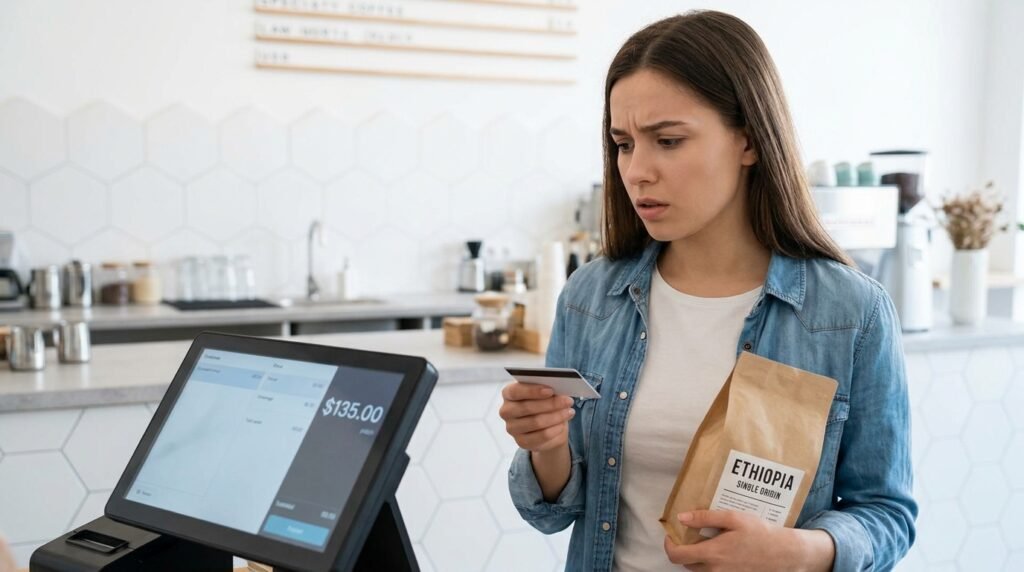
I walked up to the register to pay for the bag of Ethiopian beans. The price was significantly higher than the generic coffee I usually bought at the supermarket.
For a brief second, I hesitated. But then I looked around the room.
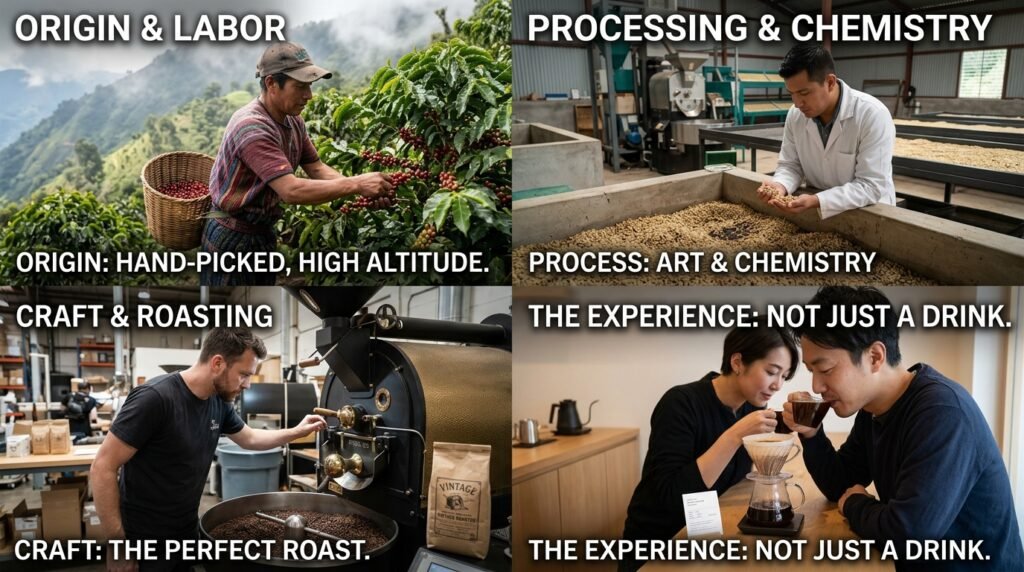
I looked at the massive roasting machine. I thought about the farmer in Ethiopia harvesting wild cherries by hand. I thought about the careful sorting process. I thought about the roaster standing in a hot garage, carefully monitoring the temperature graphs to perfectly develop the sugars inside the seed without burning them.
The price was not expensive. It was actually an incredible bargain.
I was paying a few extra dollars to access one of the most complex, labor intensive culinary supply chains in the world. I happily handed him my card.
The Aromatic Reward
I left the roastery and walked back to my apartment. I was incredibly eager to brew the beans.
I set up my digital kitchen scale and my manual hand grinder. I opened the brown paper bag. The dry aroma completely filled the room. It did not smell like smoke or ash. It smelled intensely sweet.
I weighed out exactly twenty grams of the whole beans.
If you want to experience the true value of specialty coffee from a small roaster, you absolutely must grind the beans yourself right before you brew them. The moment the ceramic burrs crush the hard seeds, the trapped volatile compounds violently escape into the air.
Experiencing this massive burst of floral aroma completely validated What Happened When I Stopped Buying Pre-Ground Coffee and started respecting the physical integrity of the bean. Pre-ground coffee loses its magic in minutes. Whole bean coffee traps the magic until you are ready for it.
Managing the Extraction
I poured the fragrant, medium ground coffee into my glass V60 pour over cone. I boiled my gooseneck kettle.
I knew I had to treat these beans carefully. The roaster had developed them perfectly. The beans were a light, matte brown color. They were incredibly dense because they had not been expanded and destroyed by extreme dark roasting temperatures.
Dense beans require high thermal energy. I poured the water directly off a rolling boil.
I poured forty grams of hot water to start the bloom phase. The coffee bed immediately swelled upward. A beautiful, thick dome of dark grounds expanded as the trapped carbon dioxide gas escaped. The smell of sweet jasmine steam enveloped my kitchen.
The Clarity of the Cup
I finished pouring the water in slow, tight circles. I let the bright, translucent ruby liquid drain completely into my ceramic mug.
I walked over to my table and sat down. I waited three minutes for the liquid to cool. Extreme heat masks delicate flavors. I wanted my palate to experience the full spectrum of the Ethiopian soil.
I took a slow sip.
The roaster was absolutely right. The flavor was spectacular. A massive wave of bright peach acidity hit the front of my tongue. That juicy tartness instantly melted into a smooth, heavy sweetness that tasted exactly like black tea. The finish was entirely clean. There was absolutely zero harsh, dry bitterness.
It was the most vibrant, articulate cup of coffee I had ever tasted. I did not want to add a single drop of milk or sugar. Adding anything to that mug would have been a crime against the farmer.
The Concept of Seasonality
A few weeks later, I went back to the small roastery to buy another bag of the exact same Ethiopian Sidamo.
I walked up to the shelf. The bag was gone.
I asked the roaster if he had any more in the back room. He smiled and shook his head. He told me the Ethiopian harvest season was over. The green coffee he had purchased from that specific lot was completely gone. He would not have it again until next year.
He pointed to a different bag on the shelf. It was a freshly harvested coffee from Peru.
This interaction taught me a profound lesson about agriculture. Coffee is a seasonal crop. It is a fruit that ripens at specific times of the year depending on the global hemisphere.
Massive commercial coffee companies force their coffee to taste the exact same all year round by blending old, stale crops together. Small, independent roasters embrace the changing seasons. They buy small lots of fresh coffee as they arrive. The menu constantly rotates.
Embracing the Culinary Adventure
Learning to accept seasonality completely changed my approach to buying beans.
I stopped looking for a comfortable, predictable routine. I started viewing my morning coffee as a dynamic culinary adventure. Every time I walk into the local roastery, the menu is different.
One month I am drinking a bright, floral washed coffee from Africa. The next month I am drinking a heavy, chocolatey natural processed coffee from Central America. The next month I am drinking a savory, earthy wet hulled coffee from Indonesia.
My palate is constantly challenged. I am constantly learning about new geographical regions and new processing methods. My morning mug is never boring.
The Death of the Generic Mug
Once you understand the intense labor, the complex chemistry, and the vast geographical diversity involved in producing a single bag of specialty coffee, you can never go back to the supermarket aisle.
You can never go back to drinking generic, burnt dust from a plastic tub.
You realize that a cup of coffee is not a functional tool designed to wake you up. It is an experience. It is a direct link to a farmer standing on a steep volcanic mountain on the other side of the planet.
Find Your Local Roaster
If you are currently unhappy with the coffee you are brewing at home, the solution is not a more expensive coffee machine. The solution is better raw material.
I challenge you to find an independent coffee roaster in your city.
Do not look for a massive chain cafe. Look for a small industrial space. Look for the massive metal machine spinning in the corner. Look for the stack of burlap sacks.
Walk inside and talk to the person wearing the canvas apron. Ask them what they are currently roasting. Ask them what their favorite bag on the shelf is right now. Look for the white sticker with the exact roast date stamped on it.
Buy a bag of whole beans. Take it home and brew it carefully. When you take that first sip of properly sourced, perfectly roasted, freshly ground coffee, the vibrant clarity of the flavor will shock you. You will finally understand the true potential of the seed, and your kitchen will never smell the same again.
