
It was a completely mundane Tuesday afternoon at the office. I was sitting at my desk, staring blankly at a spreadsheet, listening to the hum of the fluorescent lights and the distant sound of the copy machine.
Then, the mailroom guy stopped at my cubicle and dropped a small, unmarked brown cardboard box onto my keyboard.
I wasn’t expecting any packages. I grabbed my scissors, cut through the packing tape, and opened the flaps. Inside was a single, brightly colored bag of coffee. But before I even touched the bag, something incredible happened.
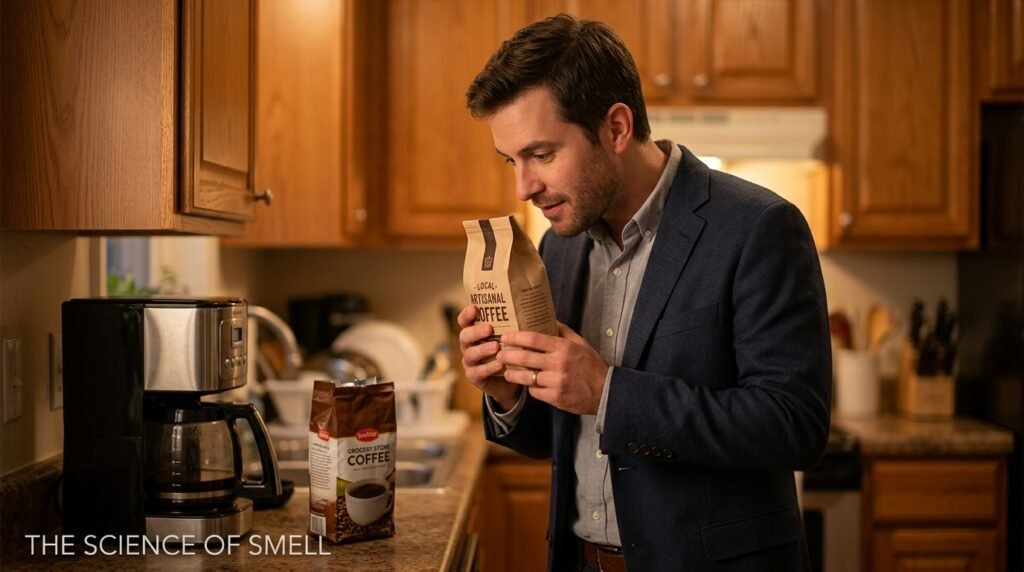
The smell hit me like a physical wall.
It didn’t smell like the stale, burnt pot of generic coffee sitting in the office breakroom. It smelled explosively sweet. It smelled like toasted caramel, fresh berries, and dark chocolate. The aroma was so intense and so room-filling that the guy in the cubicle next to mine actually stood up, peaked his head over the divider, and asked, “What on earth smells so good?”
I pulled the bag out of the box and turned it over. Printed on the back label, right at the bottom, was a small, hand-stamped date.
It said the coffee had been roasted on Saturday. It was currently Tuesday.
This coffee was only three days old. Up until that moment in my life, I had never consumed a coffee bean that hadn’t been sitting in a warehouse for at least six months. That intensely fragrant afternoon at my desk was the catalyst for a massive shift in my daily routine. It was the first time I held truly fresh coffee in my hands, and it completely destroyed my understanding of how this beverage was supposed to behave.
The Supermarket Stale Reality
To understand why that three-day-old bag of coffee was such a shock to my system, you have to look at how I—and almost everyone else I knew—bought coffee.
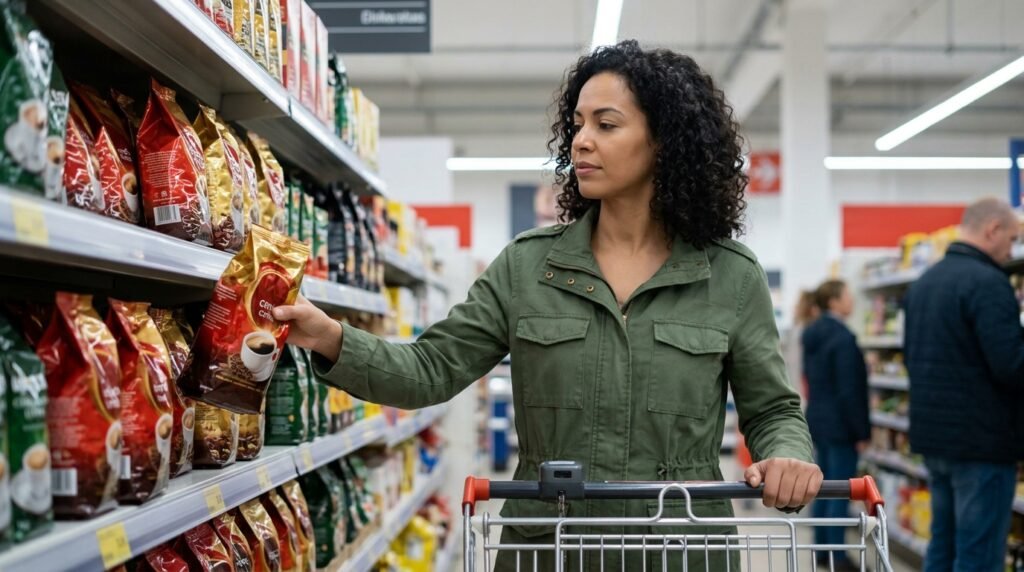
For years, buying coffee was just another chore on my grocery store checklist. I would push my cart down aisle four, walk past the canned soup and the boxed cereal, and grab whatever shiny bag of coffee was on sale.
I treated coffee like a non-perishable pantry staple. I treated it like dry pasta or canned beans.
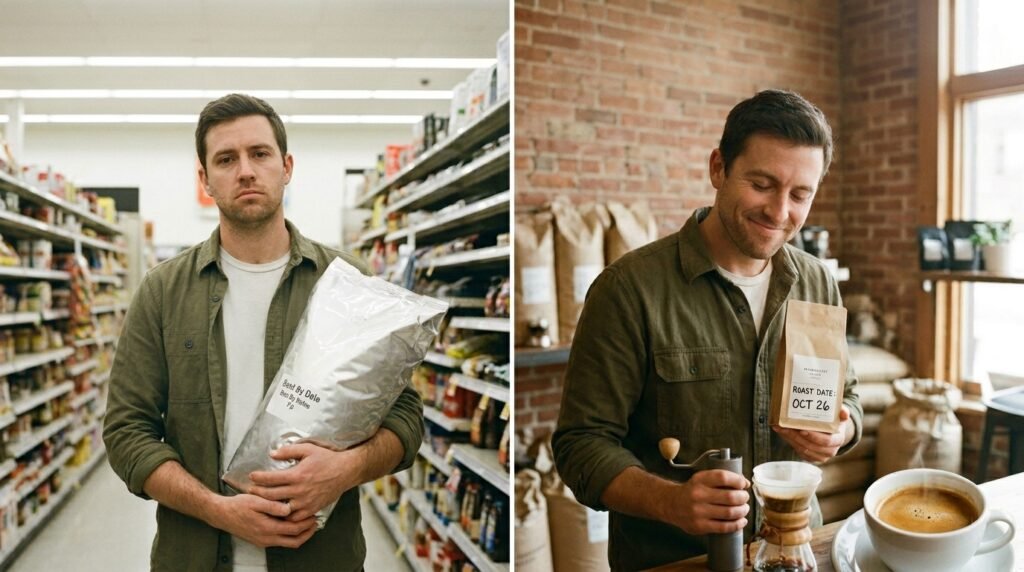
If you look at the back of a standard bag of commercial supermarket coffee, you will almost never find a “Roasted On” date. Instead, you will find a “Best By” date. And that date is usually set a year, or sometimes even two years, into the future.
The massive corporations that roast that coffee want you to believe that their product is perfectly stable. They want you to believe that the bag you are buying today will taste the exact same twelve months from now.
But coffee is an agricultural product. It is the seed of a tropical fruit. Expecting it to stay fresh for a year is like leaving a sliced apple on your kitchen counter and expecting it to be crisp and juicy next Thanksgiving. It is biologically impossible.
The Delivery Revelation
So, how did a three-day-old bag of coffee end up on my desk in the middle of a workday?
I had been complaining about the terrible office coffee to a friend the previous week, and she told me to stop buying my beans from the grocery store. She sent me a link to an online roaster that roasted to order.
I had signed up out of pure curiosity, which turned into a fascinating journey that I documented in My First Experience With a Specialty Coffee Subscription. The premise was simple: you place your order, they roast the raw green beans the very next day, and they immediately put the bag in the mail.
There are no warehouses. There are no grocery store shelves. The coffee travels directly from the cooling tray of the roasting machine to your front door.
I didn’t truly believe it would make a difference until I opened that cardboard box at my desk. The sheer intensity of the aroma proved that the coffee sitting on the supermarket shelves was essentially dead. I had been drinking the ghosts of coffee beans my entire adult life.
The Invisible Enemy: Oxidation
When I got home from the office that evening, I immediately wanted to understand the science behind the smell. Why did this fresh coffee smell like a bakery, while my old grocery store coffee smelled like wet cardboard?
The answer is a chemical process called oxidation.
When a coffee bean is roasted, it undergoes a violent transformation. The heat creates hundreds of beautiful, delicate aromatic compounds and volatile oils inside the seed. These are the compounds that make coffee taste like blueberries, or jasmine, or milk chocolate.
However, these compounds are incredibly fragile. The absolute worst enemy of these roasted oils is oxygen.
The moment the coffee leaves the roasting machine, oxygen begins to attack those delicate flavors. It is the exact same process that causes a piece of iron to rust. Day by day, week by week, the oxygen breaks down the volatile compounds, causing them to literally evaporate into the air.
If coffee sits in a warehouse for six months, the vast majority of its unique flavor profile has oxidized and vanished. You are left with a flat, dull, and bitter shell. Understanding this chemical breakdown completely changed my kitchen habits, a shift I explored deeply when figuring out How I Learned Coffee Storage Affects Flavor. I realized that protecting the beans from the air was a race against the clock.
The Irony of Being “Too Fresh”
I was so excited to brew this incredibly fresh coffee that I almost made a massive mistake. I took the bag into my kitchen that Tuesday night, ready to fire up my kettle and make a cup right then and there.
But I noticed a small card tucked inside the shipping box. It read: For best results, please let this coffee rest for at least 7 days from the roast date before brewing.
I was completely confused. I had just spent all this time learning that freshness was the ultimate goal. Why on earth was the roaster telling me to wait? Why was it bad to brew coffee that was only three days old?
This is when I learned about the second crucial chemical reaction in coffee: degassing.
During the intense heat of the roasting process, a massive amount of carbon dioxide (CO2) is generated and trapped tightly within the cellular walls of the coffee bean. For the first few days after the coffee comes out of the roaster, it rapidly “exhales” this gas.
If you try to brew coffee immediately—say, one or two days after it was roasted—there is so much gas escaping from the beans that the hot water literally cannot touch the coffee grounds. The escaping CO2 pushes the water away.
Because the water can’t properly penetrate the grounds, you end up with a wildly uneven, highly acidic, and sour cup of coffee. It is entirely possible for coffee to be too fresh.
The One-Way Valve
This degassing process also explained a piece of packaging I had never understood.
Every good bag of coffee has a tiny, plastic circular piece embedded near the top. I used to think this was a “smelling hole” so you could squeeze the bag at the store and get a whiff of the beans.
It is actually a one-way degassing valve.
Because freshly roasted coffee releases so much carbon dioxide in its first week, a completely sealed bag would slowly inflate like a balloon until it popped. The one-way valve allows the CO2 to safely escape the bag, without allowing any flavor-destroying oxygen to get inside.
So, I followed the roaster’s instructions. I placed the bag of coffee on my counter, and I forced myself to wait until Saturday morning.
The Magic of the Bloom
When Saturday morning finally arrived, the coffee was exactly seven days off the roast. It was perfectly in the middle of the “golden window”—the period where the coffee has degassed enough to brew properly, but hasn’t yet succumbed to the ravages of oxidation.
I weighed out my beans and poured them into my hand grinder. The resistance of the fresh, dense beans felt entirely different from the stale, brittle beans I was used to.
But the real show happened when I transferred the grounds to my pour-over dripper and started pouring the hot water.
With my old supermarket coffee, the water would just hit the grounds and form a sad, muddy puddle. The coffee just sat there, lifeless and flat.
But when the hot water hit this fresh, seven-day-old coffee, the bed of grounds instantly erupted. The coffee swelled, bubbled, and physically expanded upwards, climbing the walls of the paper filter. It looked like a chocolate muffin rising in the oven.
This beautiful, aggressive reaction is called the “bloom.” It is the visual, undeniable proof that the coffee you are brewing is alive. The hot water forces the last remaining bits of CO2 out of the beans, making room for the water to extract the delicious oils. Watching that bloom happen in my own kitchen was mesmerizing.
The Taste of Reality
I finished pouring the water, let the coffee drip through the filter, and poured the dark ruby liquid into my favorite mug.
I took my first sip without any milk or sugar.
It was an absolute revelation. I had spent my entire life thinking coffee was naturally bitter and required cream to mask the harshness. But this cup was entirely different.
Because the coffee was perfectly fresh, none of the delicate flavors had oxidized. I could actually taste a bright, vibrant sweetness that reminded me of raw honey and green apple. It was crisp. It was clean. It left a lingering taste of milk chocolate on my palate that lasted for minutes.
It was a sensory awakening that fundamentally altered my mornings. I wrote an entire breakdown about How I Realized Freshness Affects Every Sip of Coffee because I couldn’t believe how much flavor I had been missing out on. I wasn’t just drinking caffeine anymore; I was drinking a masterfully crafted agricultural product.
The Point of No Return
Once you experience a cup of coffee brewed from beans that were roasted the same week, a psychological switch flips in your brain.
There is a distinct point of no return. You can never go back to buying coffee from the grocery store aisle. You can never again look at a “Best By” date without rolling your eyes.
You start treating coffee the way you treat fresh bread from a bakery, or fresh tomatoes from a farmer’s market. You realize that it has a lifespan.
Today, my entire buying strategy is dictated by the calendar. I no longer buy massive, two-pound bags of coffee to save a few dollars. Buying in bulk is a trap, because by the time you reach the bottom of the bag, the coffee has gone stale.
Instead, I buy small, 12-ounce bags from specialty roasters who proudly stamp the exact roast date on the label. I buy only what I know I can consume within a two to three-week window. When I run out, I buy more fresh beans.
A Challenge for Your Next Cup
If you are currently feeling uninspired by your morning mug—if your coffee tastes flat, bitter, or just incredibly boring—the solution is likely much simpler than you think.
You don’t need a thousand-dollar espresso machine. You don’t need to learn complicated water chemistry or buy expensive brewing scales just yet.
You just need to find the date.
I challenge you to seek out a local coffee roaster in your city. Walk into their shop, look at the retail shelf, and find a bag of whole beans that was roasted within the last seven days. Take it home, wait for the degassing period to finish, grind it fresh, and brew it.
Pay attention to the aggressive, beautiful smell when you open the bag. Watch how the coffee physically blooms and bubbles when the hot water hits it. And most importantly, savor that very first, unadulterated sip.
I promise you, the difference is not a marketing gimmick. It is undeniable, objective chemistry. And once you taste what coffee is actually supposed to taste like, you will never look at that supermarket aisle the same way again.
